Since purchasing my new Begali Pearl morse key I’ve been wanting to install the 300hz CW filter into my Yaesu FTDX10. The radio comes standard from the factory with the 500z CW filter preinstalled however, being able to narrow the bandwidth down even further will help to reduce the ringing effect on noisy bands that often plaques CW Ops when trying to catch those very weak DX signals.
Since I had built up some free credit at ML&S by buying all my new radio equipment I decided to put it to good use and put it towards the cost of the optional 300hz filter for the radio.
In years past when I had a Yaesu FT1000MP I installed a full set of filters in it and it made quite a difference DXing on the 160/80/40m bands. Back then things like digital noise reduction (DNR) were in their infancy and so narrow filters were even more important than they are today.
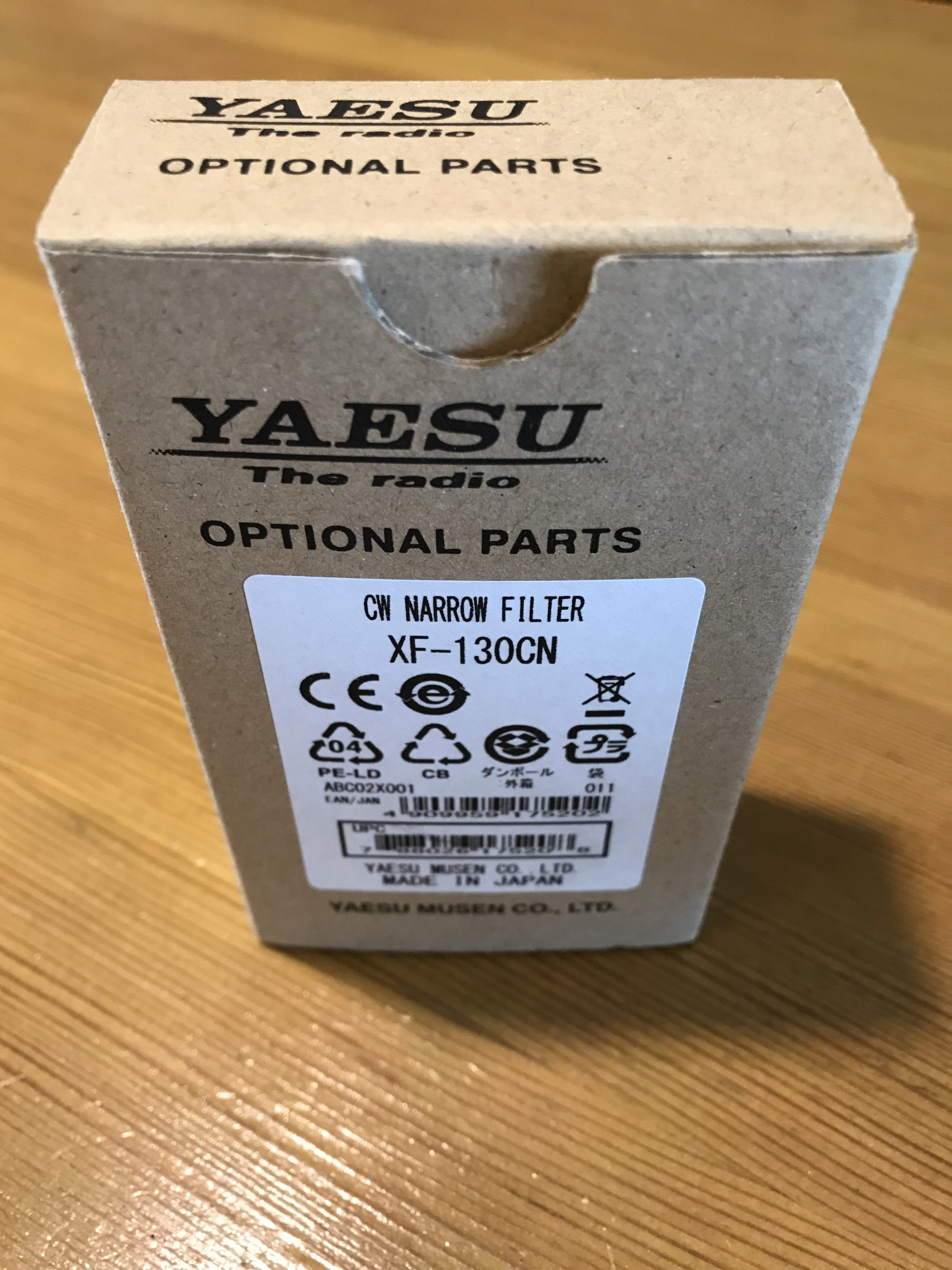
Yaesu XF-130CN 300hz CW Filter for the FTDX10
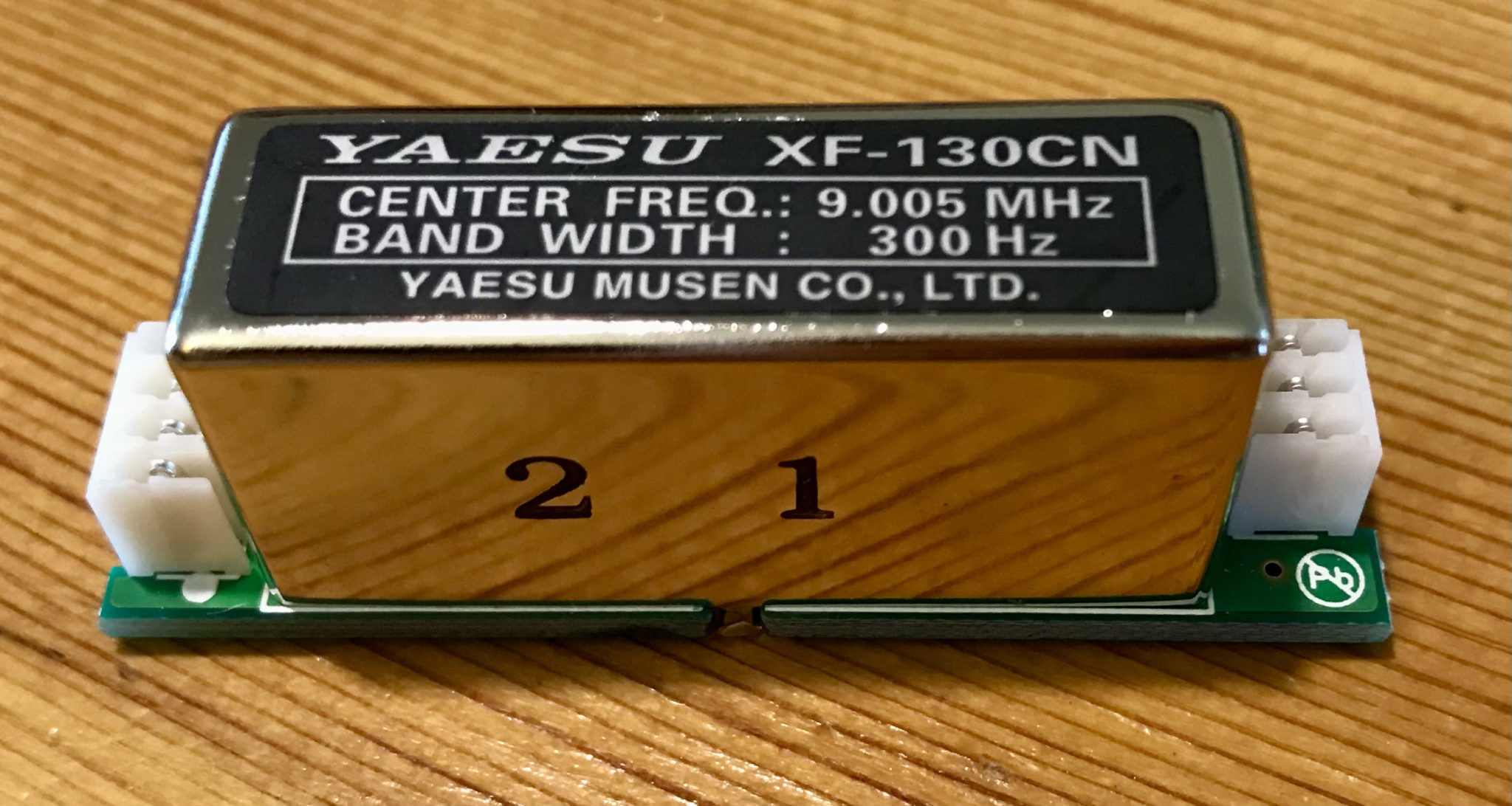
The FTDX10 300hz filter looked very similar to the ones I fitted in the FT1000MP and it doesn’t look like they’ve changed at all over the years.
Yaesu XF-130CN 300hz CW Filter
Removing the cover from the FTDX10 it’s immediately apparent where the filter goes. A neat little cutout in the RF shield draws your eye immediately to the spot.
Cutout in the RF shield for the optional 300hz filter
Fitting the filter is easy enough however, you do have to take care to move the little black wire to one side otherwise it gets caught under the filter and stops it from seating properly onto its connections. There’s not a lot of slack on the wire either so care is needed to not pull it too taught.
Note the black wire on the right hand site of the connections for the 300hz filter
I was surprised to see how small the standard 500hz filter is in comparison to the optional 300hz filter.
Optional 300hz filter next to the factory fitted 500hz filter
With the filter safely in position and seated perfectly I had the cover and 9 screws back on in no time at all and then got the radio powered up to check if the menu system had the option of a 300hz filter in CW mode.
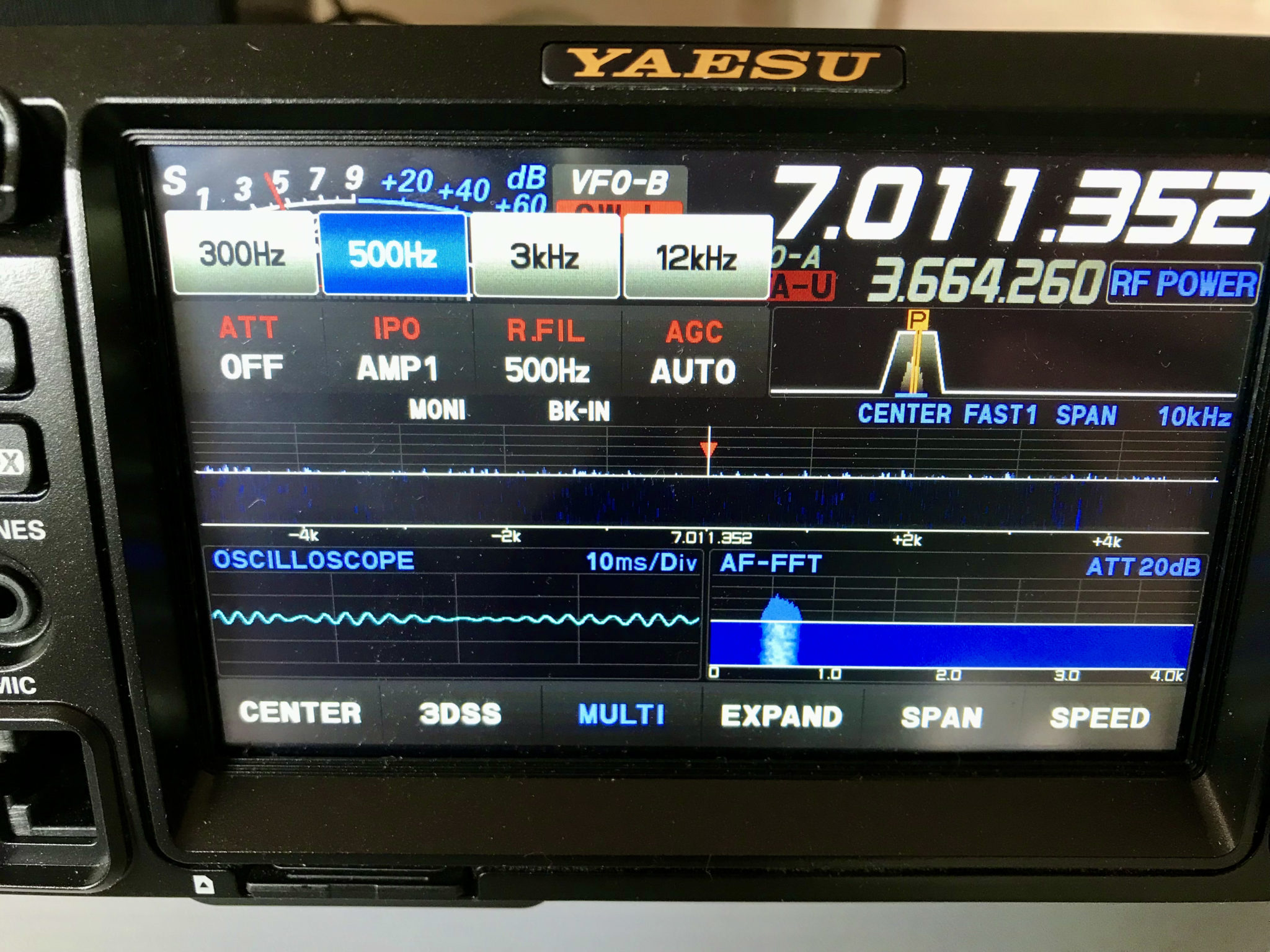
FTDX10 CW filter menu with 300hz option
Getting on air the filter makes quite a difference to the amount of background noise when listening to weak DX stations. Adding DNR and APF to the equation removes all background noise completely with the 300hz filter making it possible to hear the weakest of CW stations and complete silence in-between.
The bands aren’t in particularly good shape today however, I tuned around on the 20m band and found W7SW in Phoenix Arizona calling CQ. He wasn’t particularly strong but, it was a good opportunity to experience the difference between the filters without any DNR or APF enhancement.
Short video showing difference between 500hz and 300hz filters with W7SW calling CQ
Unfortunately W7SW disappeared before I could make another short video with the DNR and APF on to show the difference. I’ll revisit this again soon and get some video snippets up showing the difference the optional 300hz filter makes with DNR and APF.
I spent the evening/early morning trying some FT8 on the 40m band taking advantage of the grey line and night time propagation. It’s been a while since I’ve stayed up late to catch some DX on 40m and it brought back memories of the all nighters I used to do when I was on air as F5VKM in France.
The 40m band has always been one of my favourites, there’s always great DX to be had when the band is open and on the grey line the world really is your oyster.
I’ve always been a huge fan of CW on 40m, there are some great seasoned op’s on the band and it’s always a real pleasure to QSO with them on the key. This time I decided to see what could be achieved with FT8 and 22w of power from my Yaesu FTDX10, a combination that should give me global reach.
Setting up at just past 6pm on May 9th 2022 the band was already busy with European stations, lots of them! There was no room to squeeze in and call CQ, the FT8 section of the band was packed with signals filling the allocation completely with many calling over the top of each other.
I decided to take my normal stance of search and pounce to get the stations I want to work rather than just working the masses endlessly.
I initially worked a bunch of Russian stations ranging from 1200 to 2200 miles out, good distances were easily achievable even though we were still in full daylight.
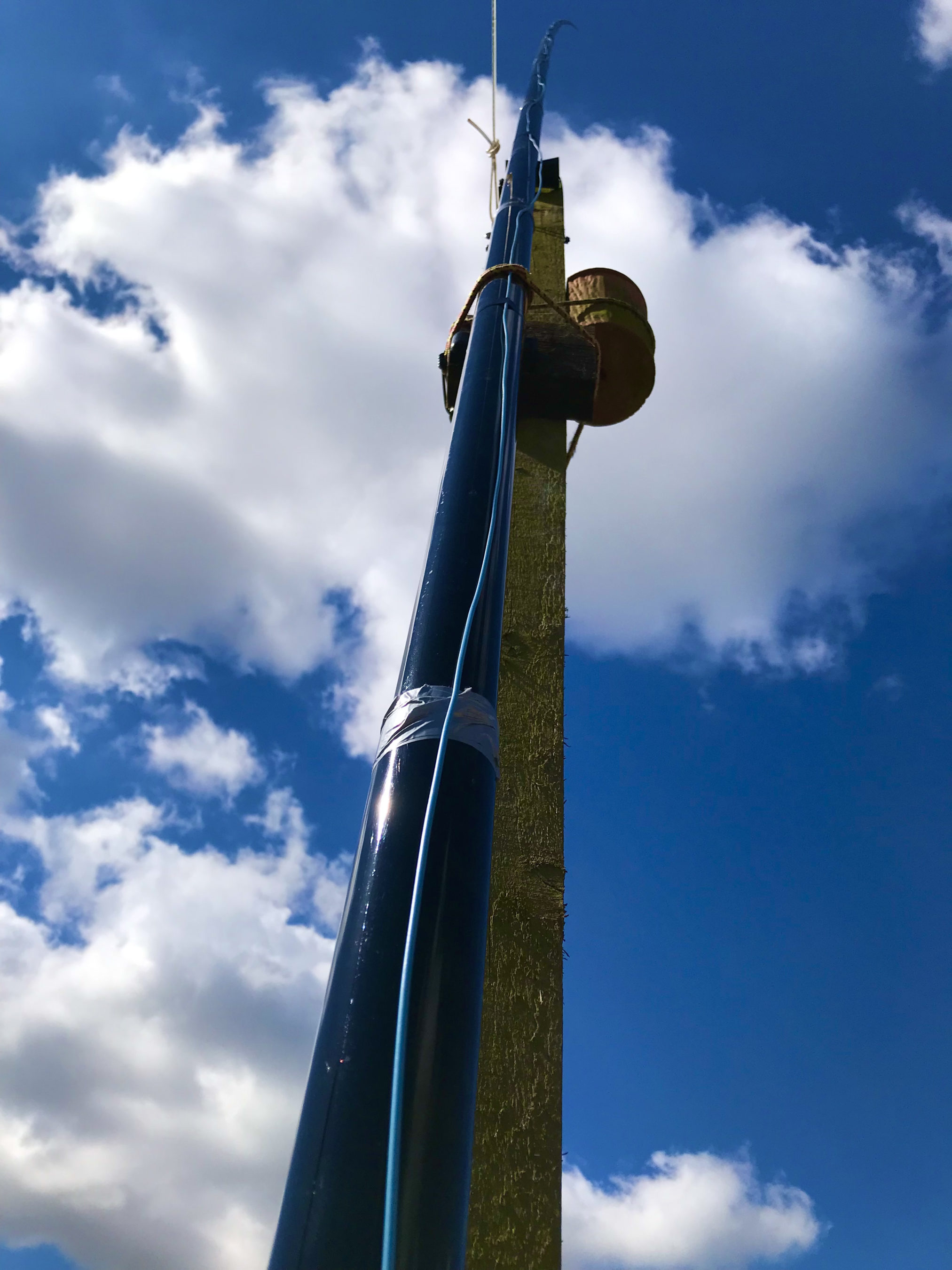
My home-brew multi-band vertical antenna worked well on 40m
In amongst the throng of FT8 stations I spotted UN3P, Vladimir in Karaganda Kazakhstan, not a country I have worked a lot since getting back on air and at 3013 miles it’s a good distance to achieve on 40m whilst still in broad daylight.
I gave a call to his CQ and he came straight back with an SNR report of -20dB, I sent him a report of -12dB so there was some 8dB difference between us. Considering I was only using 22w of power in broad daylight I was happy with the report. Of course I’ve no idea how much power he was using but, my signal was 6.63mW/Mile, not the lowest I ever had but, not the biggest either.
I worked a bunch more RA9/UB9 stations in the 2000-3000 mile range and then started hearing the Australian stations on the early grey line. Initially their signals were suffering some deep QSB but, it wasn’t long until their signals were constant and stable.
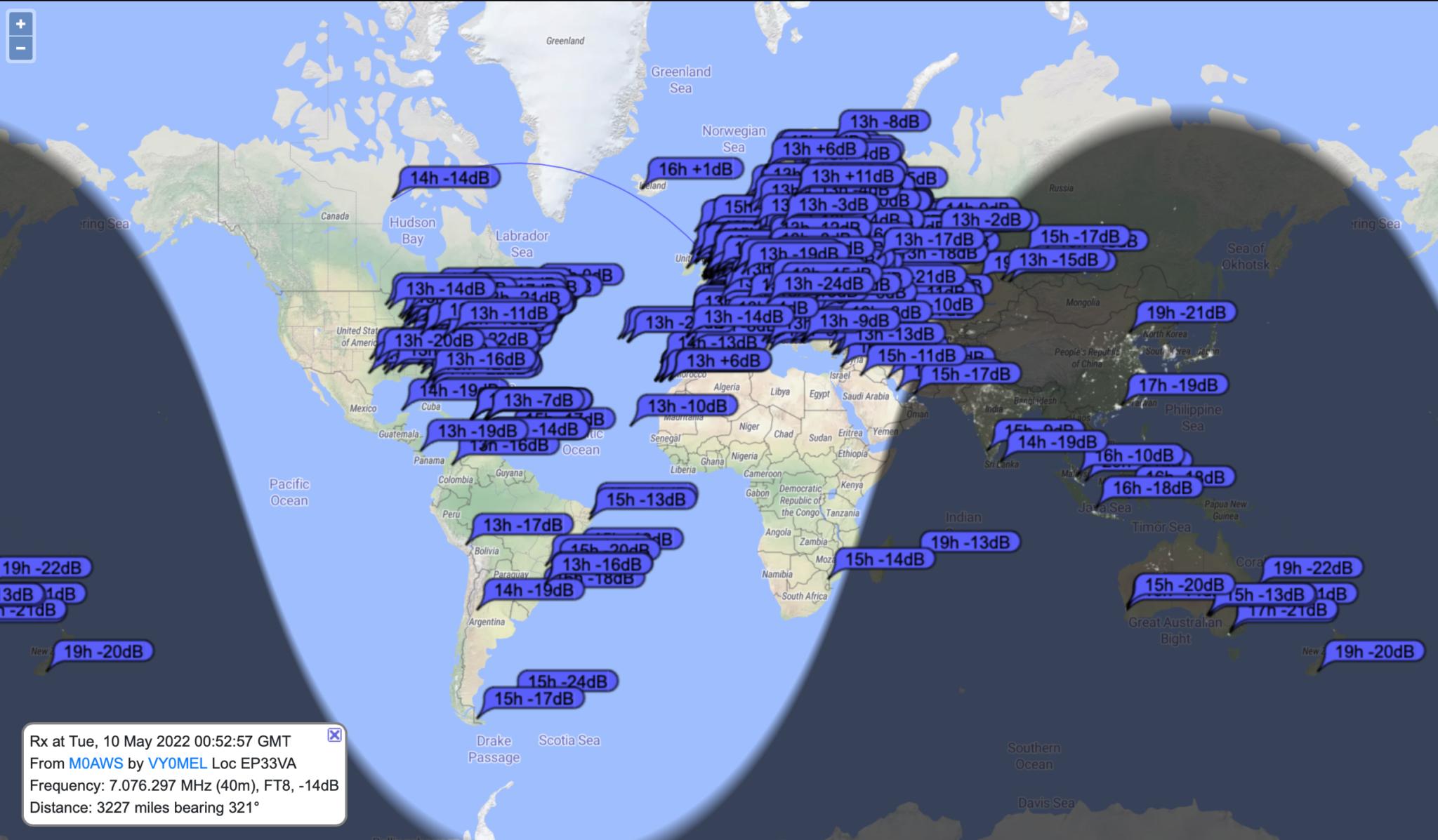
All the stations that heard M0AWS 09/05/22 – 10/05/22 on 40m
Ian, VK3VDX in Victoria was the first station from Oz in the log at -19dB/-20dB, pretty even SNR reports. At 10451 miles it equates to 2.10mW/Mile.
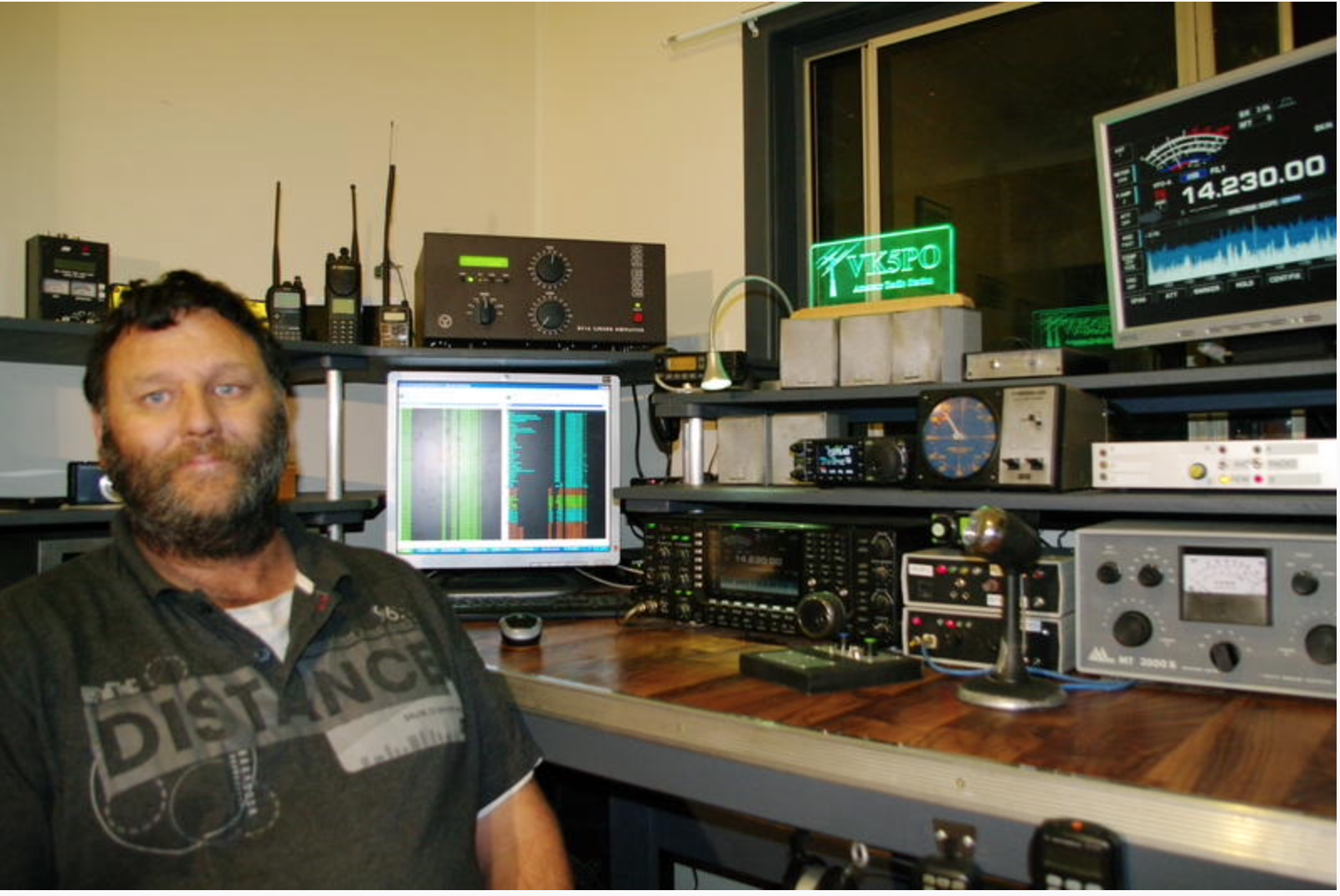
Closely following was John, VK5PO in Mallala South Australia, much stronger signals this time at -10dB/-14dB, 2.19mW/mile over a total distance of 10028 miles.
VK5PO Mallala South Australia
As darkness replaced light the propagation swung west with east coast USA and Canadian stations dropping in to the East coast of the U.K.
John, VO1BE was the first north American station in the log with -1dB/+1dB SNR reports. To be +1dB in Canada with just 22w really is quite impressive. I’m guessing he has a very low background noise level.
I worked a bunch of East Coast USA stations and then PY2GZ popped up on the waterfall. From my QTH I have a clear view South East to South West across flat ground for miles and so it’s normally pretty easy to work stations in that zone and this evening was no different. First call was answered and -10dB/-17dB SNR reports were exchanged, 3.68mW/mile over 5965 miles.
My 14.81m tall home brew vertical works superbly on the 40m band with tuning handled by my CG3000 Remote Auto Tuner. This is actually my 30m band EFHW vertical antenna but, removing the 49:1 Unun and replacing it with the CG3000 has made this antenna much more versatile.
CG3000 Remote Auto Tuner connected to the 14.81m vertical antenna and ground system
The next station in the log was BG0BBB in Xinjiang China with -9dB/-18dB SNR reports exchanged. China is always a hard location for me to get into for some reason so, I was glad to get another Chinese HAM into the log.
BG0BBB Xinjiang China
As the propagation started to swing westerly I got 8P4JP in Bridgetown Barbados into the log. It took a few calls to get the exchange completed due to very deep QSB between us but, with some perseverance the contact was completed successfully and I had a new one in the log!
I continued to work a flurry of East Coast USA, Brazilian and Puerto Ricon stations one after the other until suddenly stations from the east started coming in again.
First from the east was Igor, 4L1FL from Tbilisi Georgia, another new one for me that somehow seems to escape me every time I come across Georgian stations on the bands.
4L1FL Tbilisi Georgia
UN7JO in Ust-Kamenogorsk Kazakhstan was loud with me at -5dB SNR although I only got -21dB SNR back, some 16dB difference across the path of 3386 Miles.
One station of particular interest was VY0MEL, Julien in Rankin Inlet, Nunavut Northern Canada. This is the most northern Canadian station I’ve worked in a long time and it was great to get him in the log. His QRZ page is worth a read, he works at a mine in Nunavut on a 14 day rotation and so has a fair bit of time for HAM radio. Using just a dipole that is strung between two shipping containers and only 60cm above the snow in the centre he was a good signal at -19dB here in the U.K, especially considering he was still in broad daylight.
VY0MEL Rankin Inlet, Nunavut Northern Canada
Needless to say I had a fun filled evening/early morning on the 40m band, once again it didn’t disappoint and I got a couple of new countries in the log. I think the next late night will have to be a CW evening on 40m to see how well I do in comparison.
The full list of stations worked over 9th-10th May 2022 using FT8 on the 40m band can be viewed in my WSJT-X log in glorious technicolour with distances and mW/mile figures for every contact.
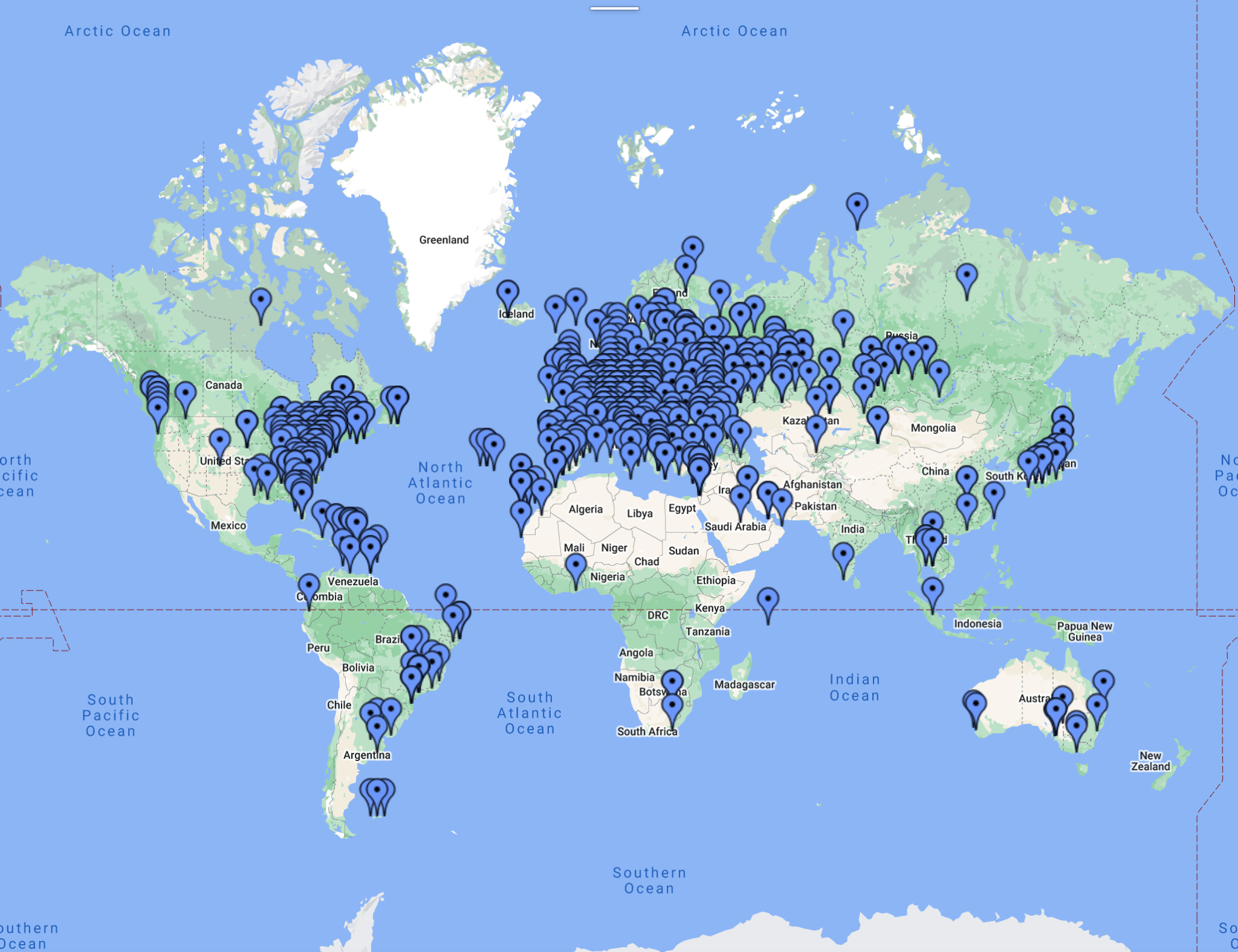
Map showing all FT4/FT8 stations worked up to 10/05/22 all bands
After my disappointment with the Vine RST-TP1 twin paddle that I bought and subsequently returned to Martin Lynch and Sons due to the poor build quality and finish I continued my hunt for a morse key.
During my conversation with Tony, the sales manager at ML&S one thing he did say to me was that if I was really serious about morse code then there really was only one key to buy these days, a Begali from Italy.
Morse Code has always been my main mode ever since I passed my 12wpm morse test and obtained my M0AWS A class licence, it’s a mode I dearly love and get a huge amount of pleasure from. (It also helps to keep the little grey cells alive in retirement!)
So without delay I googled the Begali website and started looking at their offerings.
Begali do a fine range of twin paddle keys starting from €131.00 +VAT and shipping right up to almost €700+VAT and shipping, far more than I wanted to spend.
Having spent almost £180.00 inc VAT and shipping for the Vine RST-TP1 and being extremely disappointed with it I decided to spend a little more to ensure I bought something of quality that was going to last.
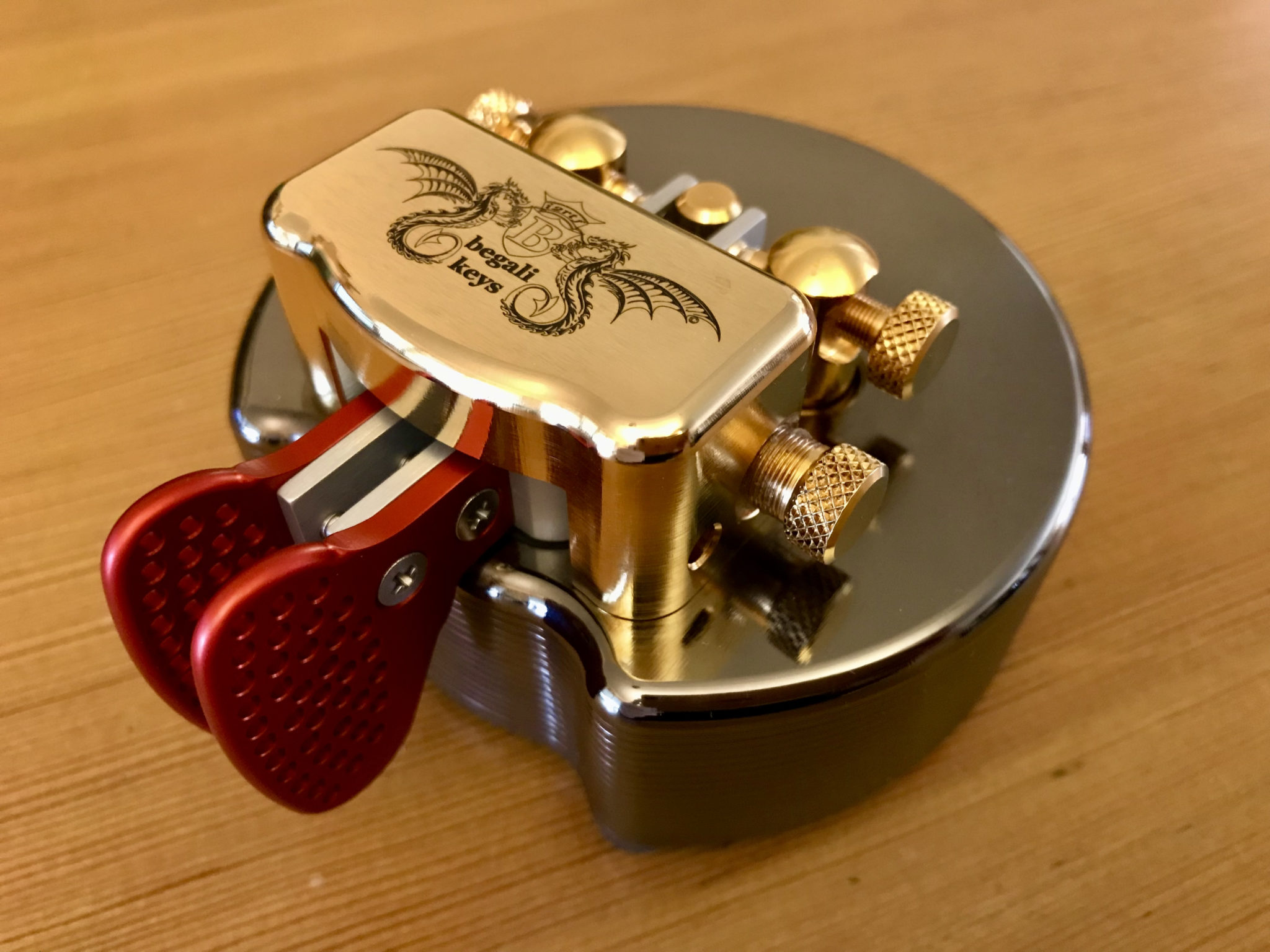
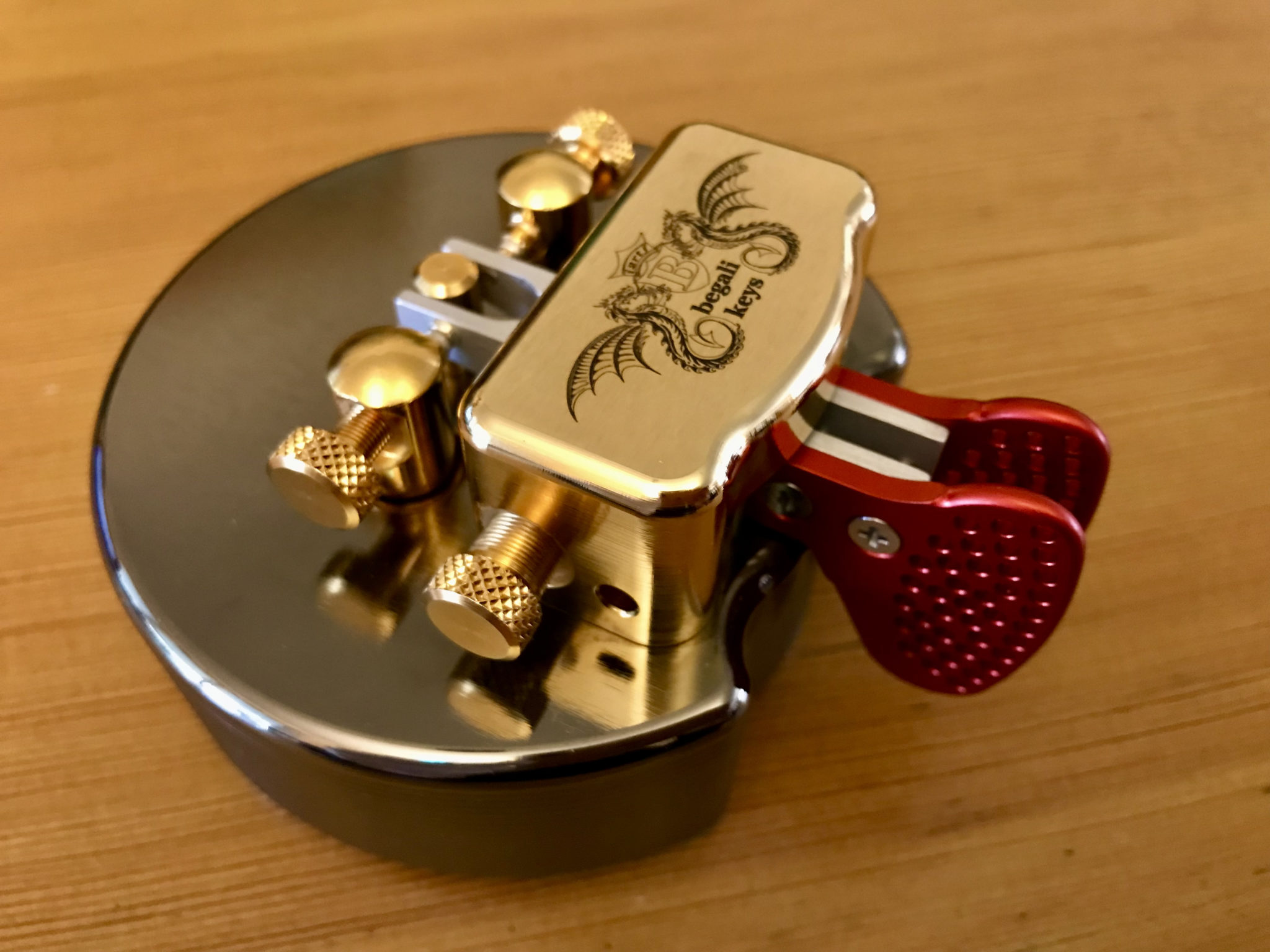
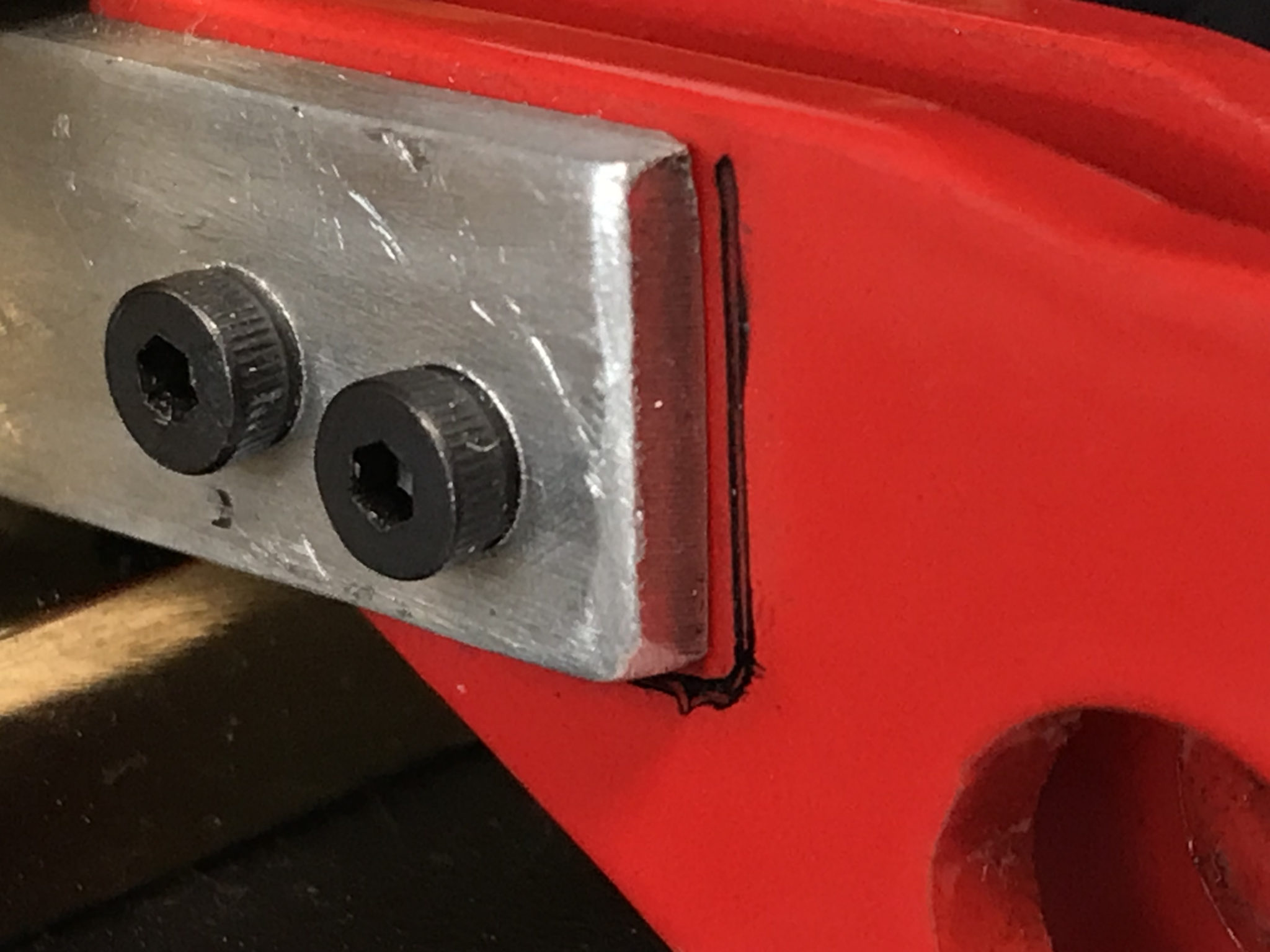
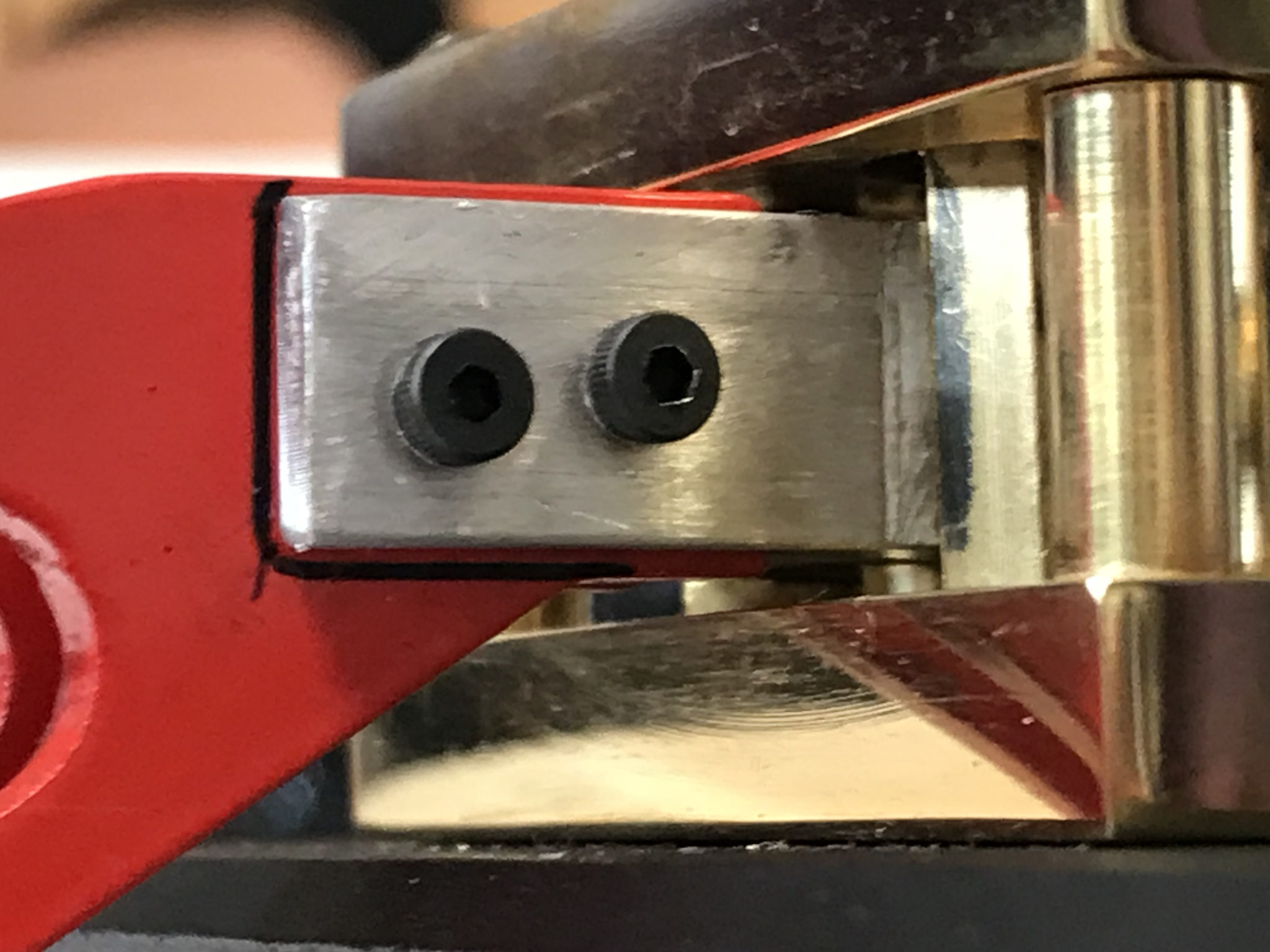
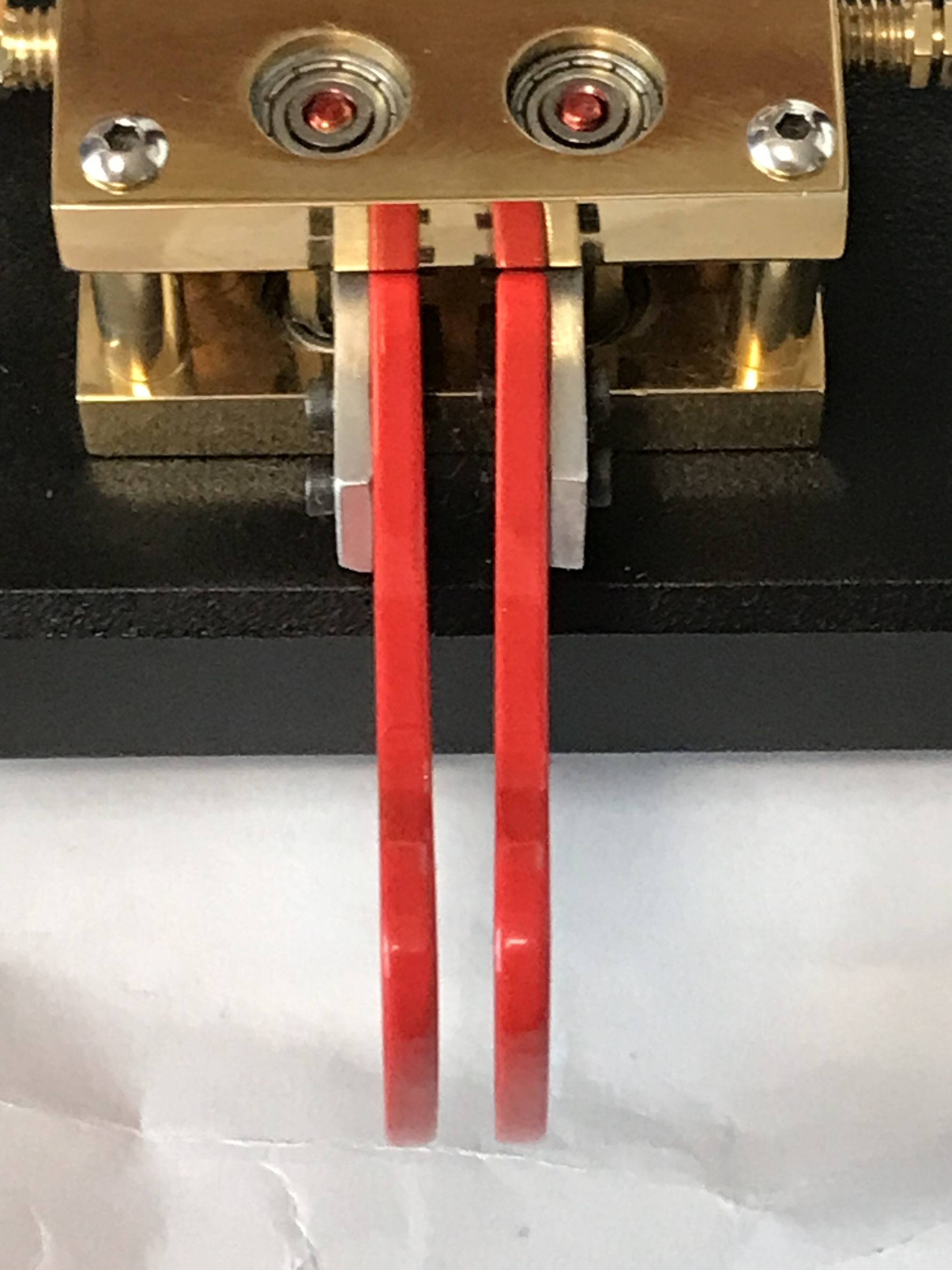
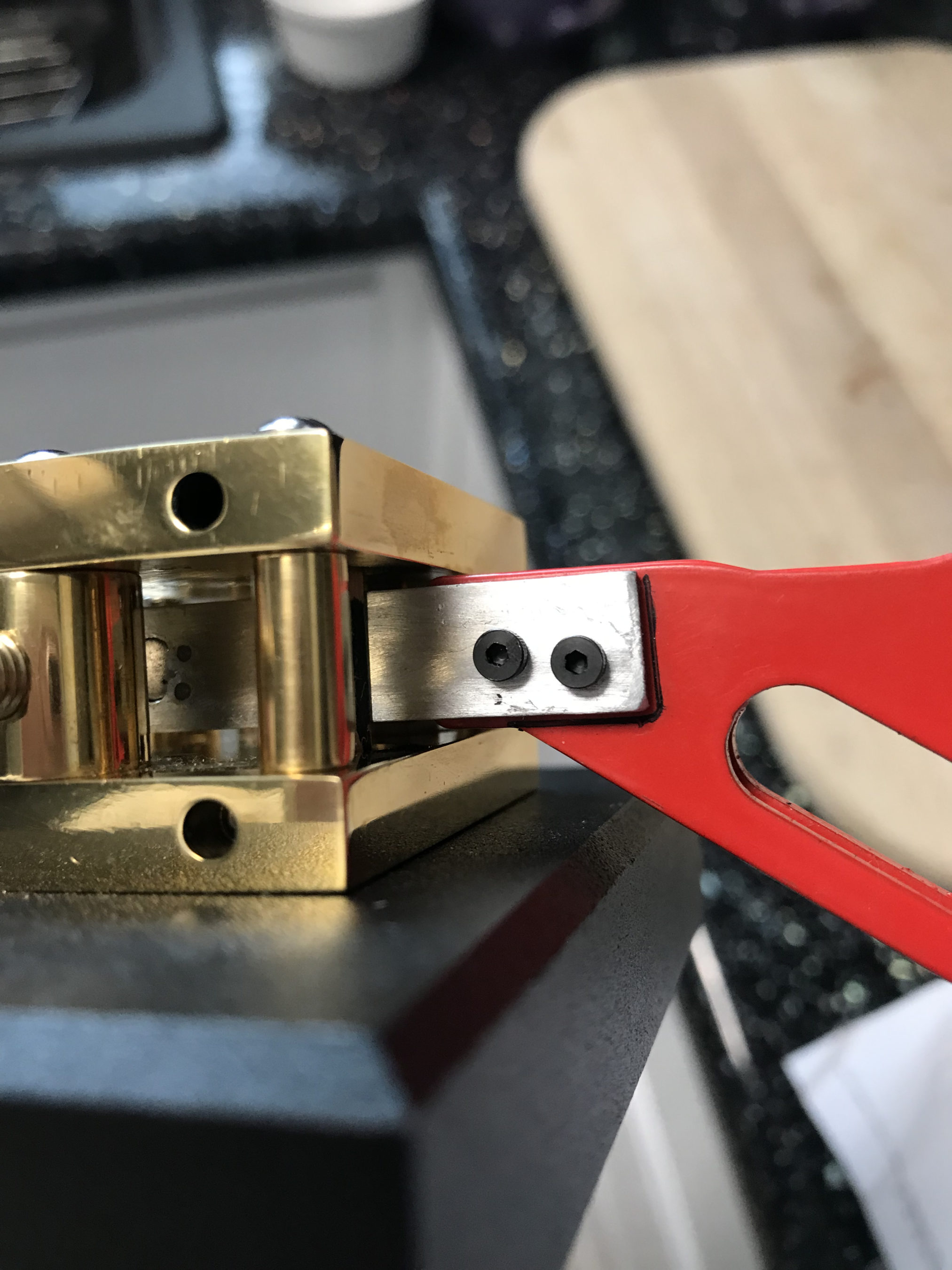
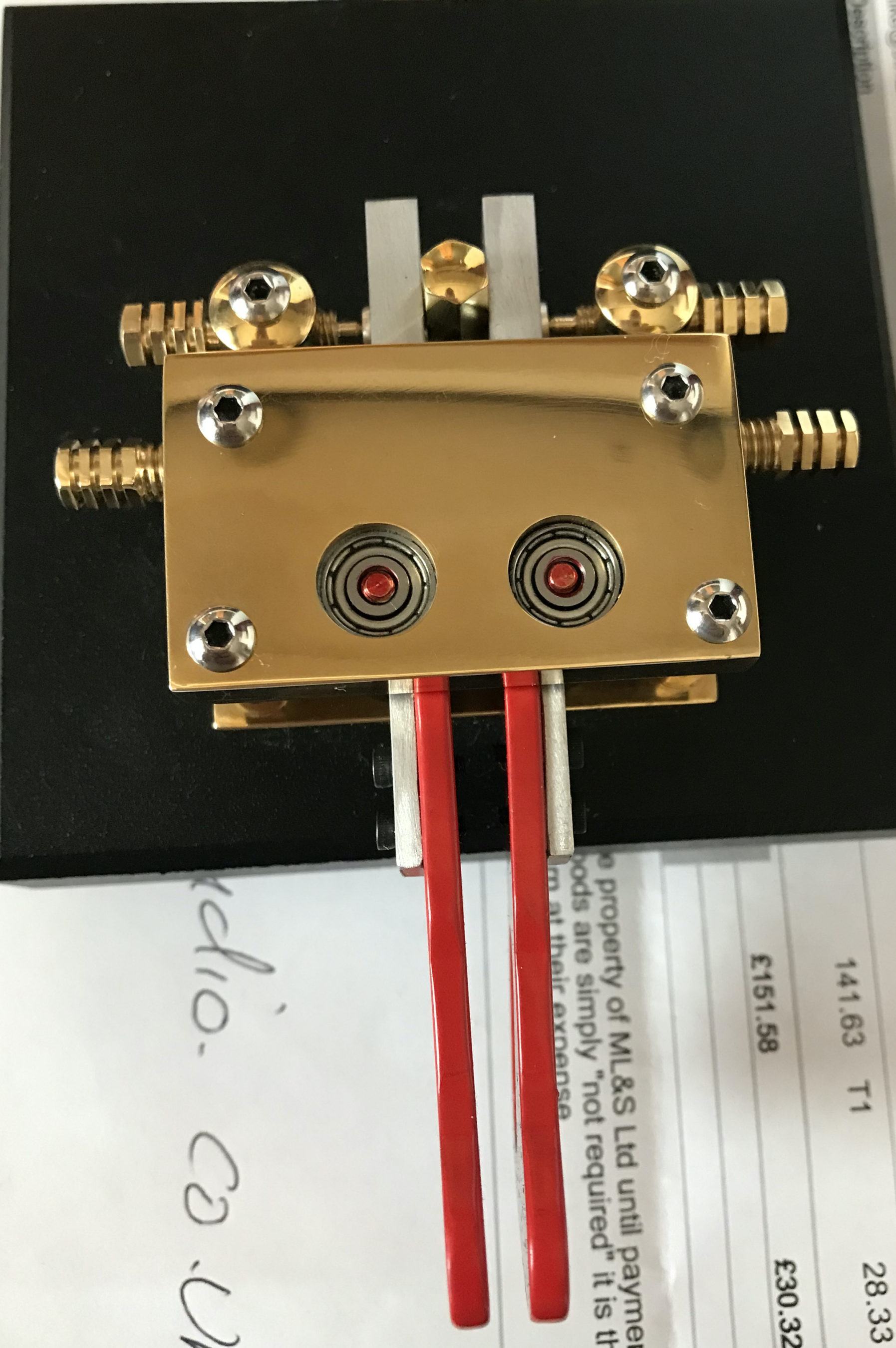
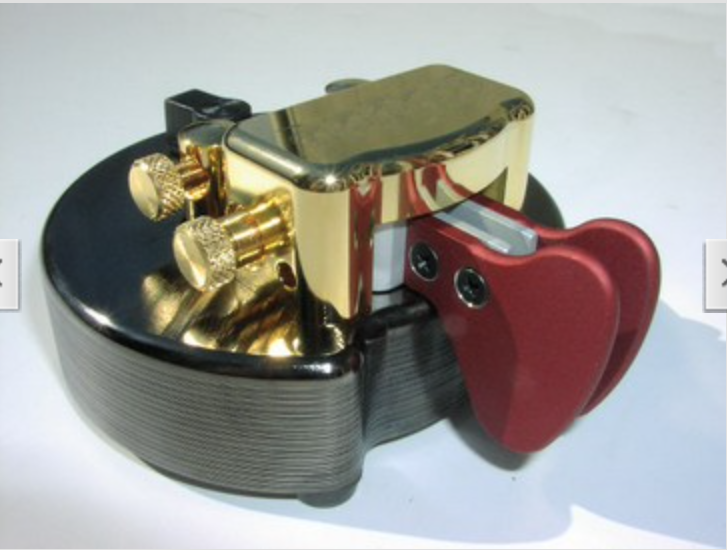
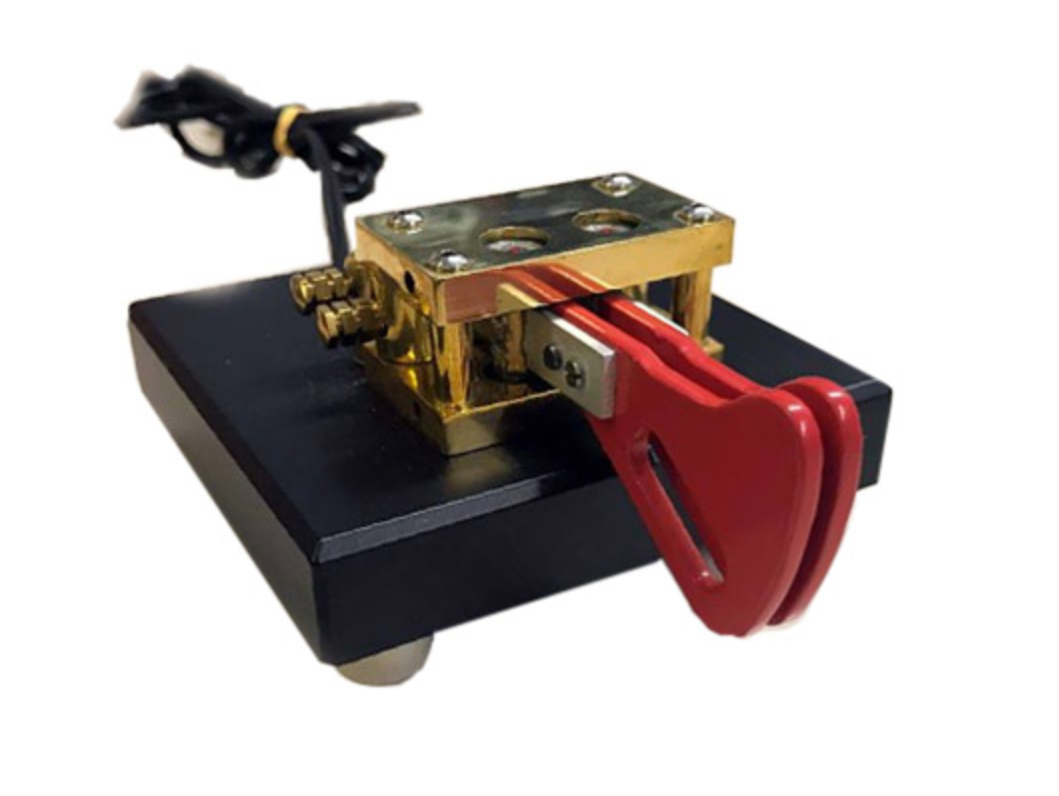
My Begali Pearl with Palladium base, gold top and red paddles, a thing of beauty
A couple of weeks after ordering the key arrived hassle free, a miracle considering the hassle Brexit has caused with import and export of goods between the U.K. and Europe.
Bruna at Begali assured me that they had a system in place that takes care of all the import taxes etc and that the delivery process would be smooth and trouble free, and indeed it was!
Upon opening the box I was taken by the sheer beauty of the key, beautifully finished, perfectly put together and well engineered. I knew this was going to be a pleasure to use before I’d even touched the paddles!
My Begali Pearl Twin Paddle Morse Key
Being left handed I’ve had to setup both my Yaesu FTDX10 and Icom IC-705 such that the dit and dah are reversed on the paddles but, once done I felt at home with the key very quickly.
Having been out of the hobby for some 15 years my morse is a little rusty so I set about doing a fair bit of listening before trying to work stations. To my surprise I was soon decoding stations at 20wpm in my head albeit with a little more thought than it used to take but, accurate enough to have a go at working a few stations.
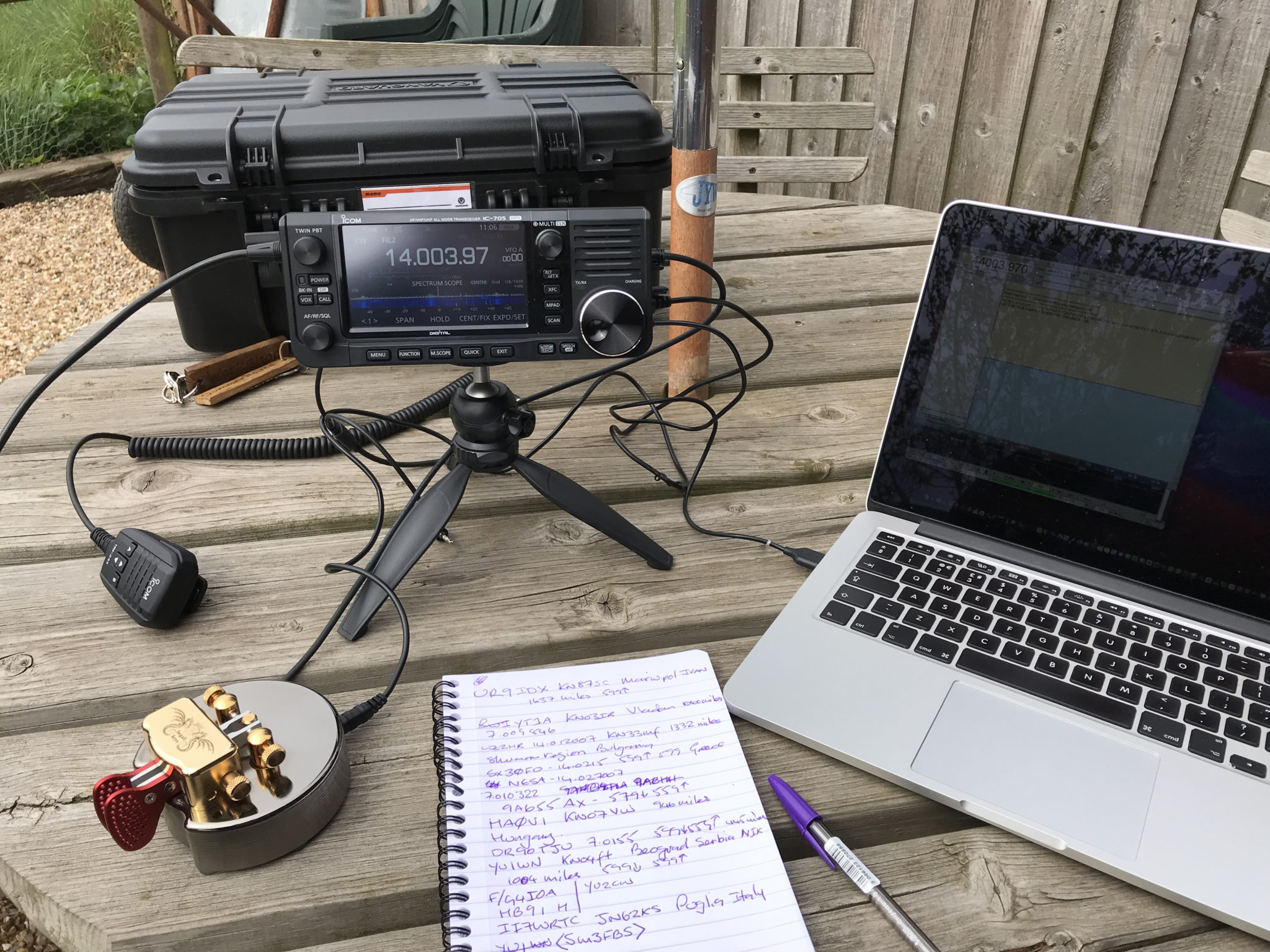
Working CW stations on 20m with the Begali Pearl Twin Paddle and Icom IC-705
Using the key is pure delight, it’s light to the touch, responsive, infinitely adjustable, comfortable and a joy to use. I knew right away that I had made the right decision.
At 1.7kg it’s a heavy key which ensures it doesn’t move around the desk no matter how hard you lean on it. I find the key really relaxing to use as it only needs a gentle touch to bring the contacts together. Adjustment is super accurate thanks to the very fine threaded adjuster screws that have been beautifully machined.
It’s clear from the moment you get a Begali Pearl out of the box that it has been made with care and pride, something that is a rarity today.
Laser engraving on the Begali Pearl Twin Paddle Morse Key
I’ve decided that this key is going to be my main station key and will spend most of it’s life connected to my Yaesu FTDX10 radio, that means I need another key to go into my portable case with my IC-705. I’ve already made the decision what it’s going to be, of course it’ll be another Begali, the Simplex Basic Twin Paddle.
My wife and I always do our best to support British companies by buying local and U.K. products and produce whenever we can.
Before making the purchase I’d read mixed reviews on the the Vine series of keys but, decided to try and support British manufacturing by buying British, sadly I too was disappointed.
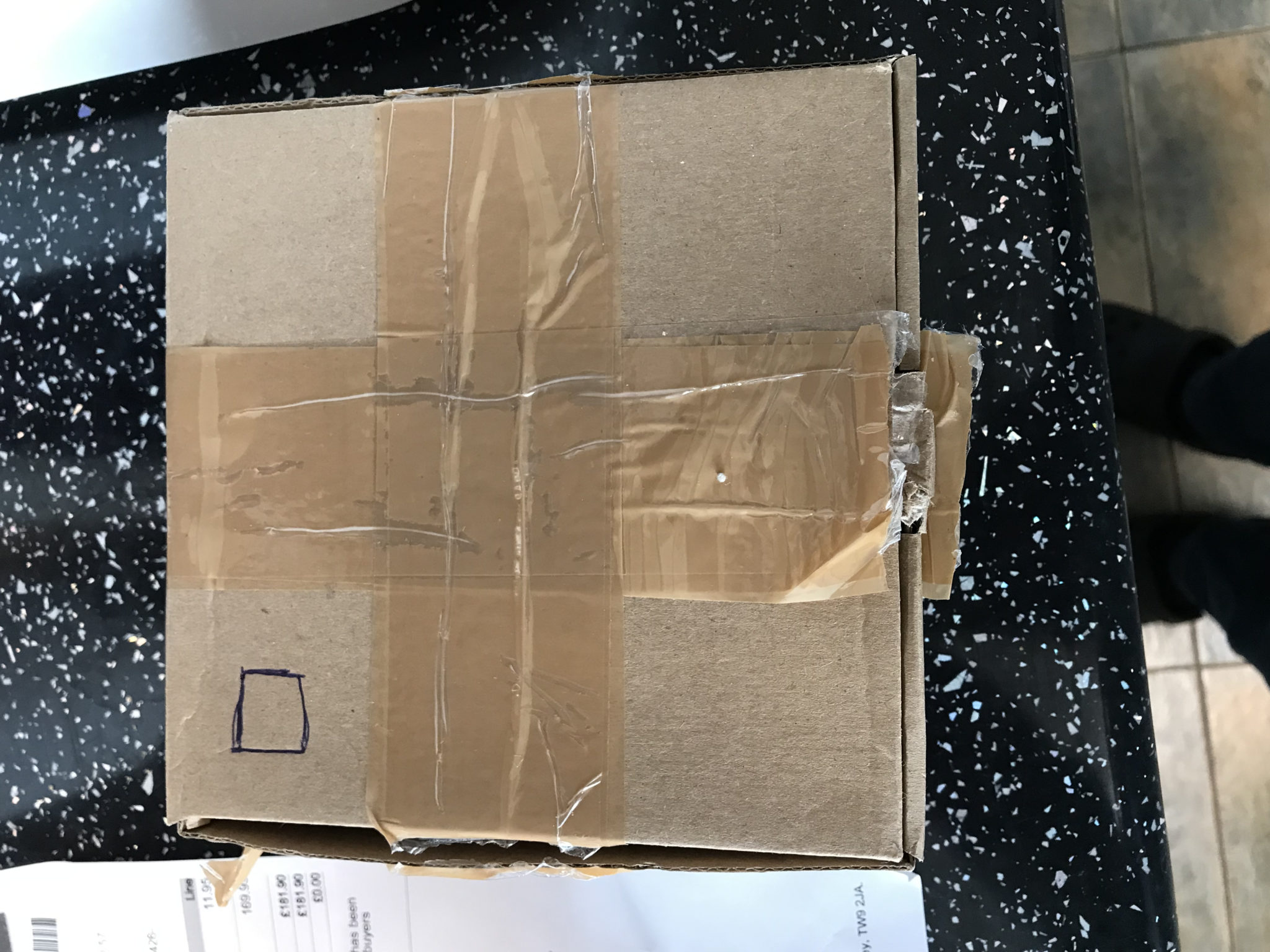
Vine RST-TP1 packaging
When the package arrived it was clear that it had been opened before and then resealed, perhaps already been returned by a customer before being resealed and shipped out to me?
The box had also been drawn on with biro, no big deal except for the fact that this wasn’t the only thing that had been drawn on.
Upon getting the key out of the box the first thing that struck me was the quality of the finish on the product, it was the poorest I’ve ever seen on a key.
Poor quality finishing on the Vine RST-TP1 Twin Paddle Key
Some of the metal surfaces had clearly been finished with a hand file, the finish was appalling. I’d be embarrassed if I had made something with finishes this bad yet alone selling a product commercially with such poor quality finishing.
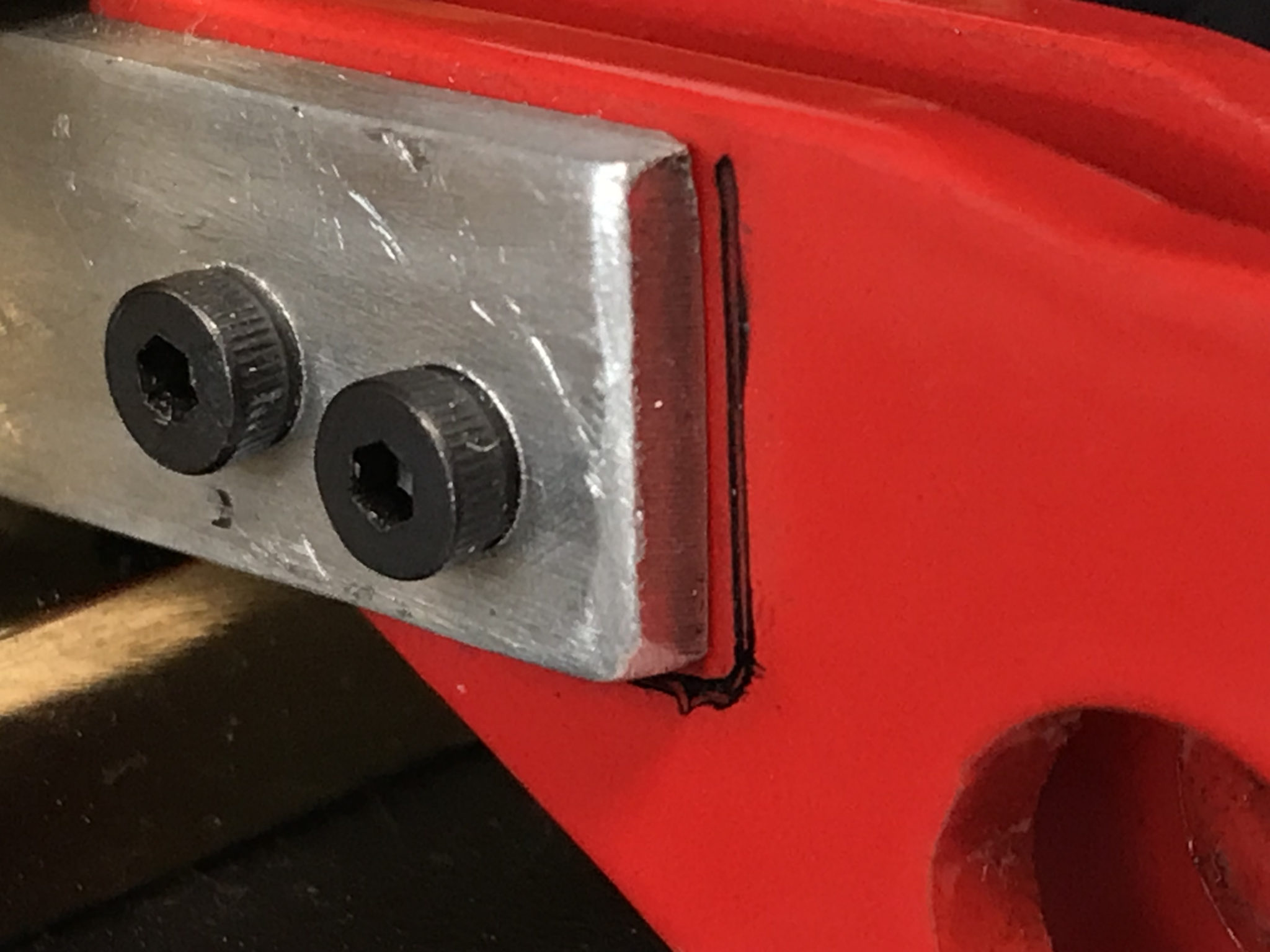
The other thing I couldn’t believe was that a pen had been used to mark where on the paddle the arm should be attached. It’s one thing marking things up during production for alignment but, another when you ship the product out with permanent pen ink on the paddles. It looked like it had been put together by a 5 year old!
Poor quality finishing and pen marks on Vine RST-TP1 Twin Paddle key
I know that at £170.00 it’s not an expensive key and one shouldn’t expect high quality but, these are very simple production issues that could be resolved easily and produce a much better quality product overall.
Bent left paddle on Vine RST-TP1 Twin Paddle Key
Another issue with the key was that the left paddle wasn’t straight, no a big deal but, again attention to detail during production could resolve all these issues.
Another major issue with the key was the fact that the two gap adjusters were wound all the way in and had no more adjustment available but, the gap between the contacts was big enough to drive a bus through!
Any seasoned CW op wouldn’t be happy with the size of the gaps on this key and with the fact that there was no adjustment left it rendered the key useless.
Another issue with the key was the plug, it was the cheapest quality plug I have ever seen, it wasn’t even straight!
Bent 6.2mm plug on the Vine RST-TP1 Twin Paddle key
I called ML&S and spoke to Tony the sales manager about the issues with the key. He fully understood and even admitted that they’d had a lot of issues with quality from Vine and that most of the Vine keys they’d sold had come back because of defects and poor quality build.
He even said that he was now considering dropping Vine keys from their store as they are so poor but, I see they are still for sale on their website.
What is incredibly sad is that in the 21st century British companies are shipping such poor quality products when there is technology easily available that can produce a high quality finish without a high cost. I really don’t understand how a company can ship such poorly built products to a discerning market place and think it’s acceptable.
Vine RST-TP1 Twin Paddle key defects
Needless to say ML&S arranged collection of the key and issued a full refund, excellent service as always.
So after being let down by British manufacturing I’m back to looking for a morse key to get back on air.
I spent some time this morning in the garden with the Icom IC-705/AH-705 combo connected to my End Fed Half Wave (EFHW) vertical for the 30m band. This is a great antenna that works superbly on the 30m band. Being a resonant half wave fed via a 49:1 Unun it doesn’t require any ATU inline normally and so it’s quick and easy to use with any radio.
Today I decided to disconnect and remove the 49:1 Unun and hook up the Icom AH-705 instead. I thought it would be an interesting exercise to see how well it handled the EFHW vertical on both 30m and the other bands.
Icom AH-705 connected to the 30m Band EFHW Vertical Antenna
I purchased a couple of 5m leads for the AH-705 so that I could setup the radio on the picnic table in the garden and be a comfortable distance from the antenna. They worked great and allow me to use the radio in the spring/summer sun with ease.
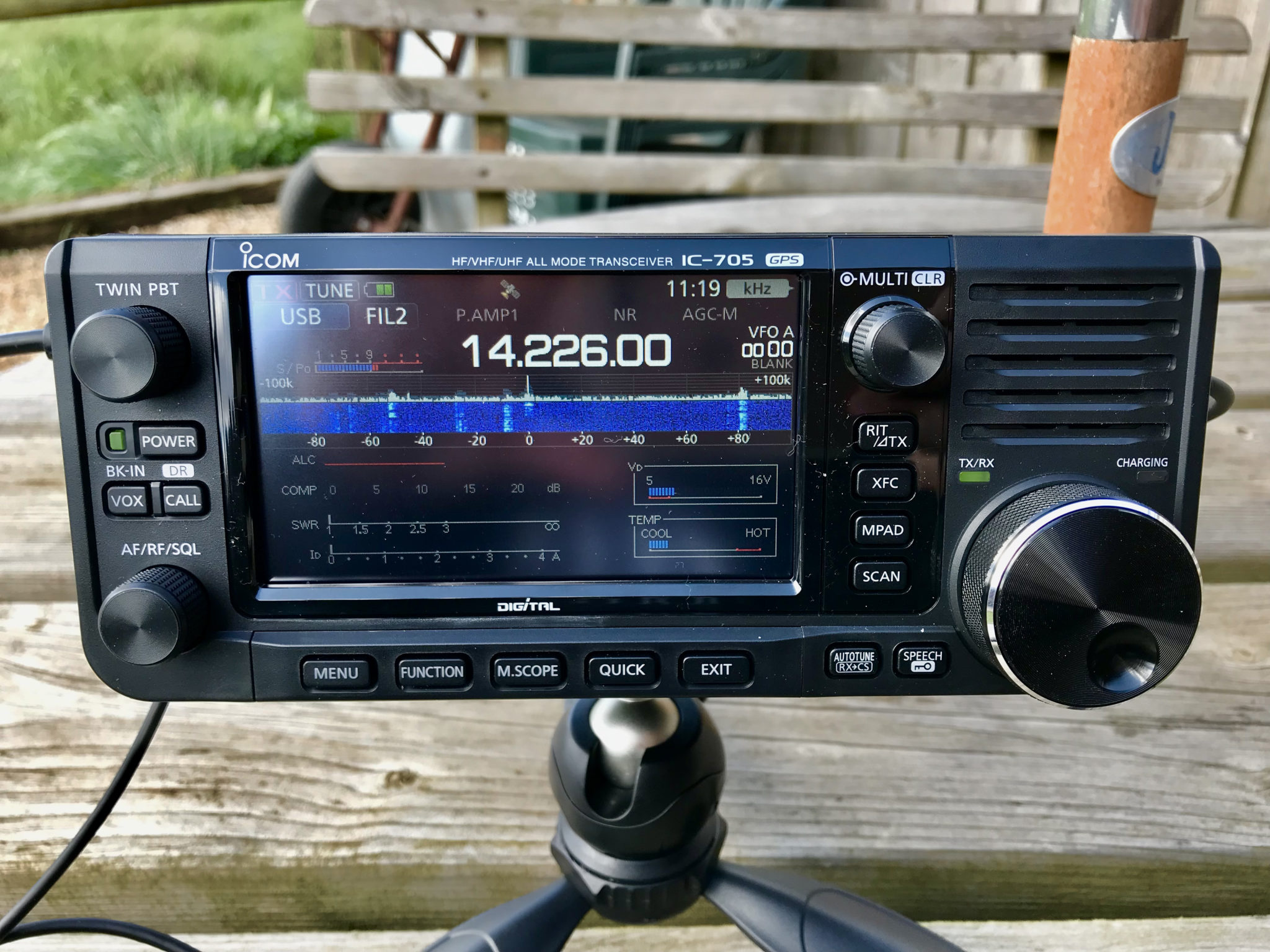
Icom IC-705 setup on the picnic table in the garden
The little AH-705 remote auto ATU really does work well with the IC-705. Each time you change bands all you have to do is give a quick press of the PTT on the mic and it automagically goes into tune mode and matches the antenna to the 50 Ohm radio in seconds.
I was was really pleased to see that the AH-705 ATU matched the EFHW Vertical for 30m on the 80m, 60m, 40m, 30m and 20m bands with a perfect 1:1 SWR. With the antenna consisting of 14.81m of wire this makes it somewhat short of a 1/4 wave on the 80m band and I’m not too sure how well it will work. On the 40m band it is a 3/8 wave antenna so should work well. It’s a 1/4 wave on the 60m band and of course a half wave on 30m band as per it’s original design. On the 20m band it is just under 3/4 wavelength long so hopefully should work reasonably well. Of course it won’t be as good as my 20m band EFHW Vertical that has a much lower angle of radiation but, will make an interesting comparison.
The antenna also tunes up nicely on all the other higher bands including the WARC bands. On 17m it is getting close to a full wave length and on 15m it is just over a full wavelength and so should work fairly well on these two bands albeit with a higher than optimal angle of maximum radiation.
On the 12m band it is 1.25 wavelengths long and of course on the 10m band it is almost 1.5 wavelengths long. I’m not sure how well it is going to work on these two higher bands but, for a 14.81m long piece of wire it certainly gives me a good chance on a wide spectrum of frequencies.
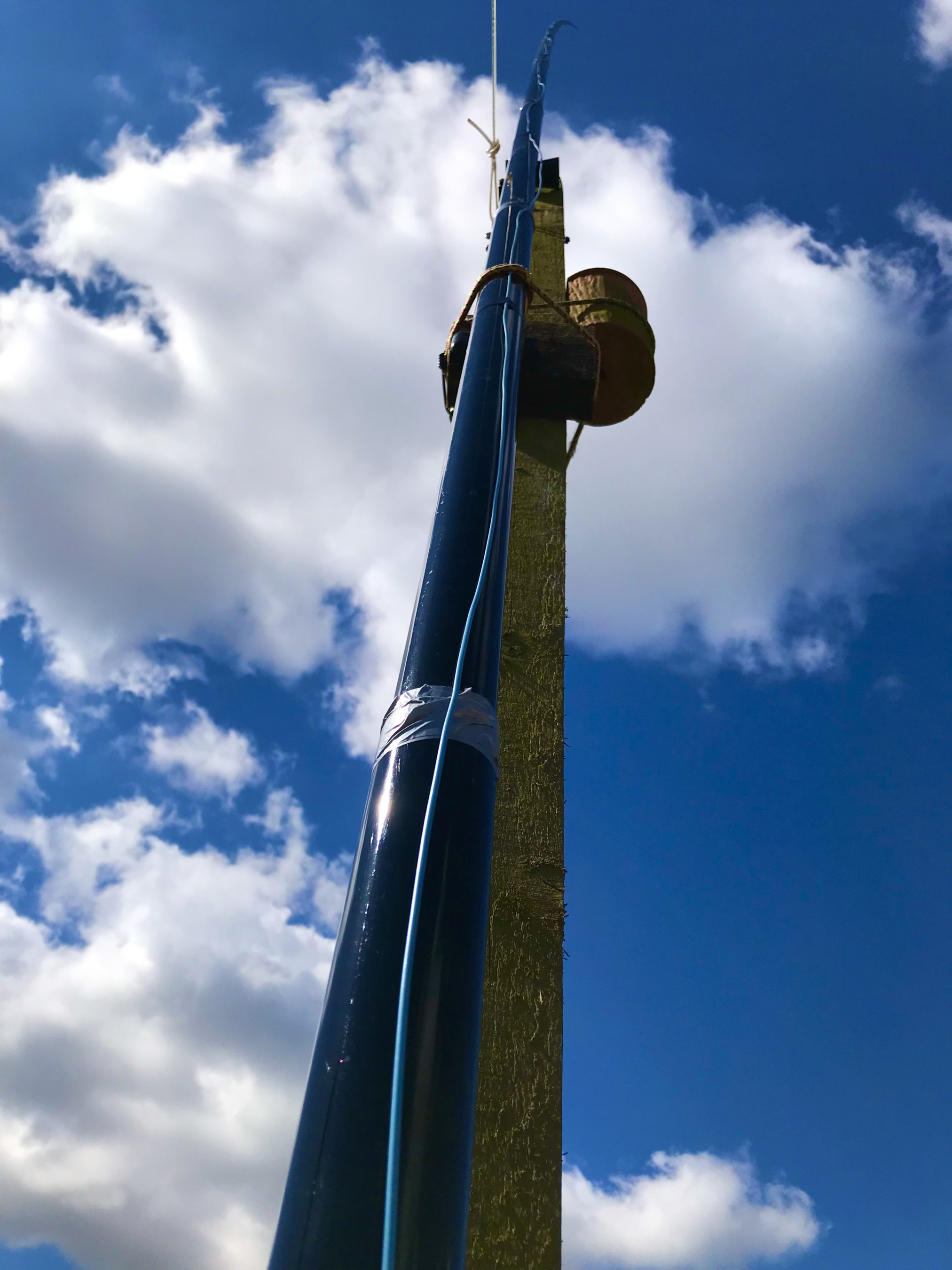
30m Band EFHW Vertical Antenna in the breeze
The bands weren’t in particularly good shape this morning but, I found some SSB signals on the 20m band and so decided to see if I could make some contacts.
First contact was with S51DX in Slovenia. He was using 1kw into a 5 element beam pointed pretty much directly at me. The little IC-705 S meter took a pounding with him peaking +30db over S9 most of the time. I was really pleased to get a 5/9 report from him using just 5w from the IC-705 on the standard 7v battery. Of course his station was doing all the work but, it’s good to take advantage of these big stations when running QRP power levels.
Next I had a QSO with John, EA7JUR in Almeria Spain. But this time the battery on the IC-705 was pretty much exhausted and so I hooked it up to the 12v supply to get it charging whilst I was on air. This of course gave me the ability to increase my O/P power by 100% to a massive 10w!
I wasn’t so strong at John’s end, only getting 5/5 report at best whilst he was 5/5-5/9 with me with some QSB. John was using a mini beam antenna again pointed towards me so once again all the work was being done at his end. We had a good chat for a number of minutes until it was time for lunch.
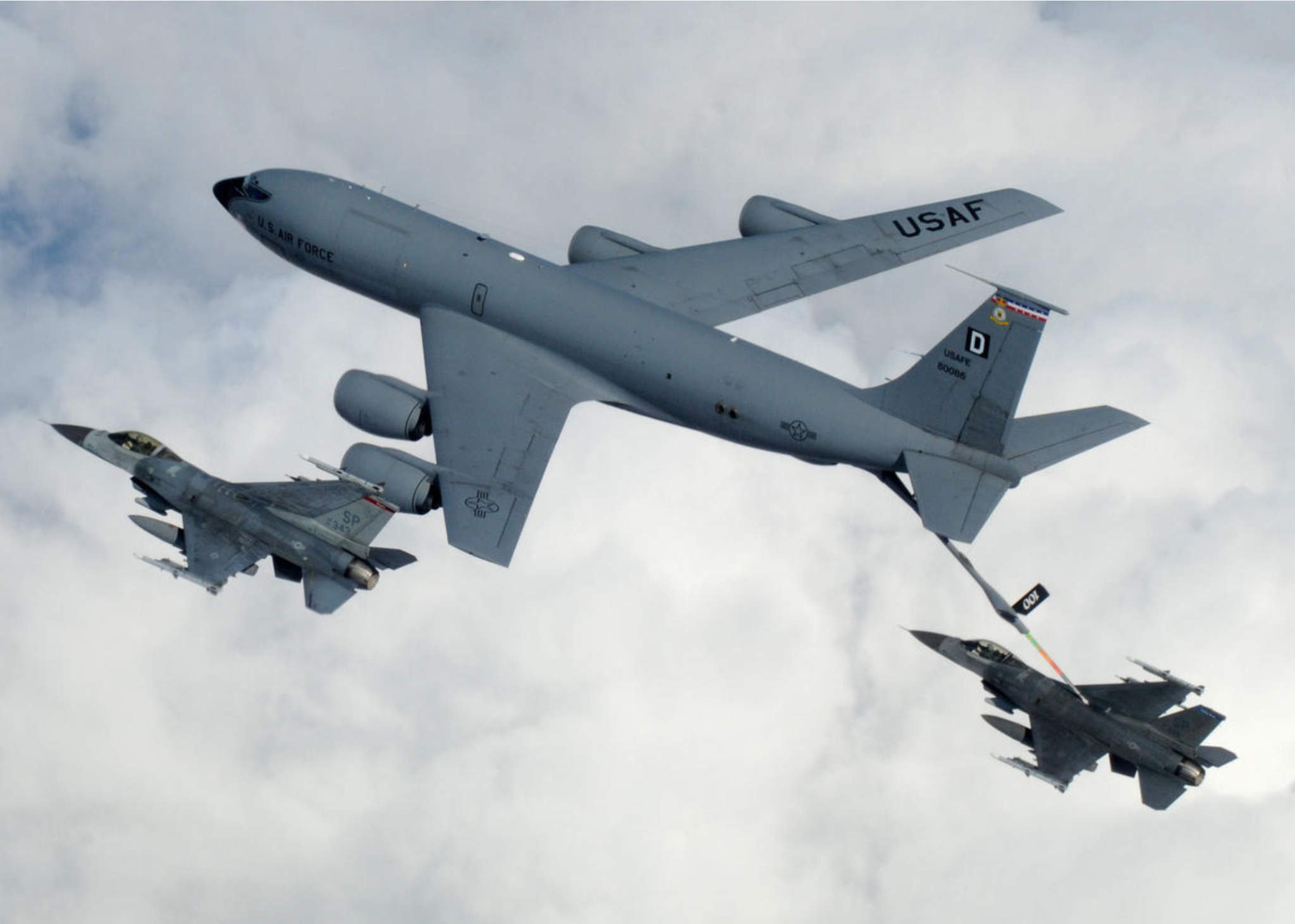
Listening on the 40m band I did hear a very interesting station, KN6IPA/Aeronautical-Mobile. Justin, KN6IPA is part of the crew on a USAF KC135 air-to-air refuelling tanker that flies out of RAF Lakenheath in the U.K. He was transmitting from the aircraft whilst in flight over Germany. His signal was between 5/9 and 5/9+20dB on my vertical antenna and had a massive pileup of people calling him from all over Europe.
I did try calling him with my punchy 10w of power but, couldn’t compete with the huge pileup of very loud, powerful stations all incessantly calling. It was really interesting to just sit back and listen to Justin’s information. He was using 300w into a wire antenna that runs from the fuselage to the vertical stabiliser. Of course being so high up he had a massive advantage and could be heard for hundreds of miles with ease, hence every one and their dog was calling him.
Photo of the KC135 tanker that KN6IPA was transmitting from courtesy of his QRZ.COM page
If you look closely at the photo above of the KC135 that Justin is a crew member on you can just make out the wire antenna on the vertical stabiliser.
I have to admit that I would love to spend a few hours on the radio aboard the KC135 whilst it was flying around, just imagine the DX you could work!
My IC-705 and AH-705 arrived today from ML&S, I wasted no time getting it hooked up to an antenna and started working my way through the manual getting to know the menu system.
After a few hours tinkering I piped up on 20m SSB and worked a couple of stations with ease using 10w. No problems getting through and to my surprise got a 5/9 report from both stations.
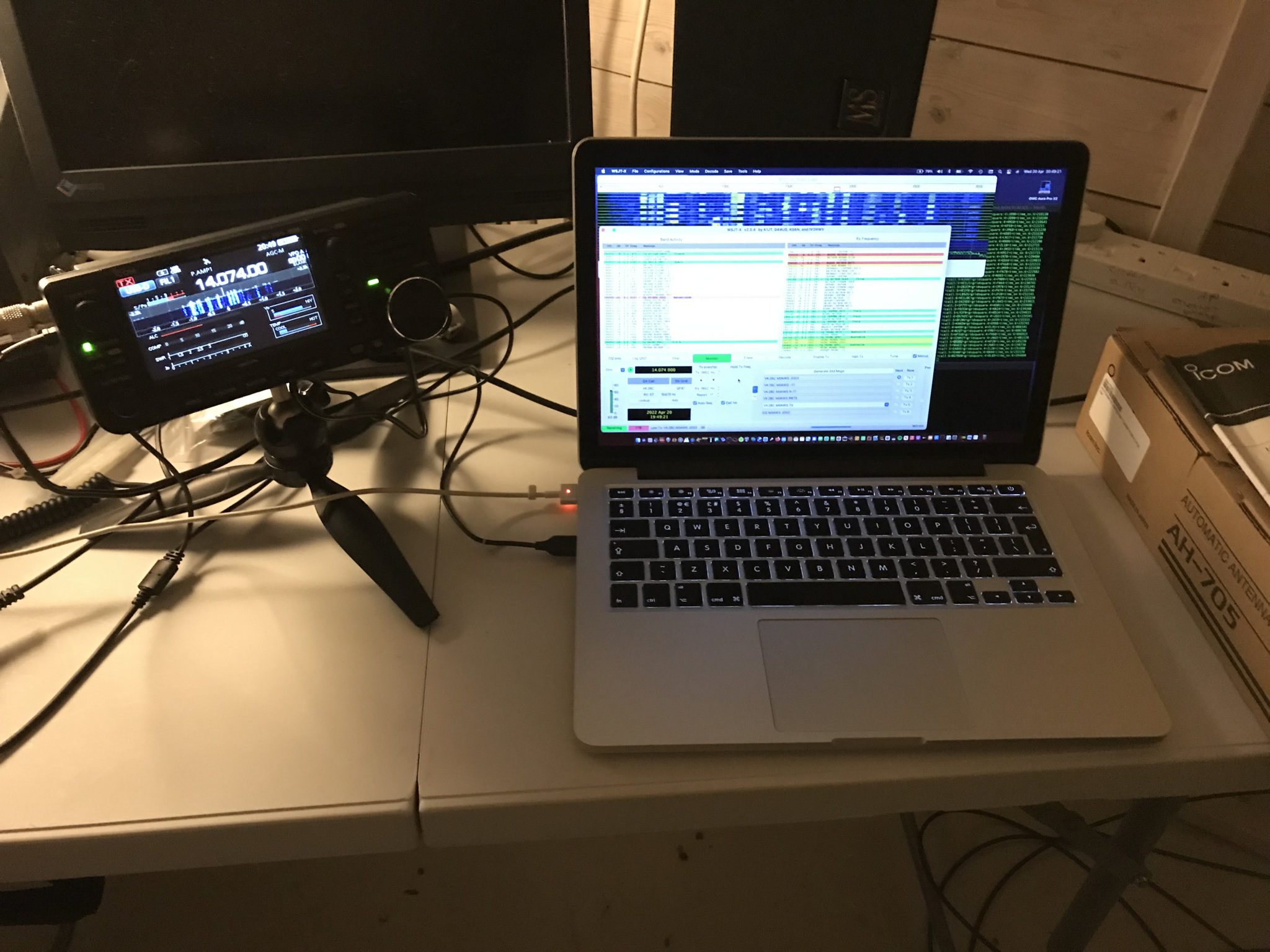
Later in the evening I decided to give it a go on 20m FT8 using just 5w O/P using the battery on the back of the radio that was now fully charged. It’s interesting to note that I didn’t need any drivers on my MacBook Pro to use the CAT and Audio via USB on the IC-705. It was simply plug and go. Much easier than it was with the FTDX10.
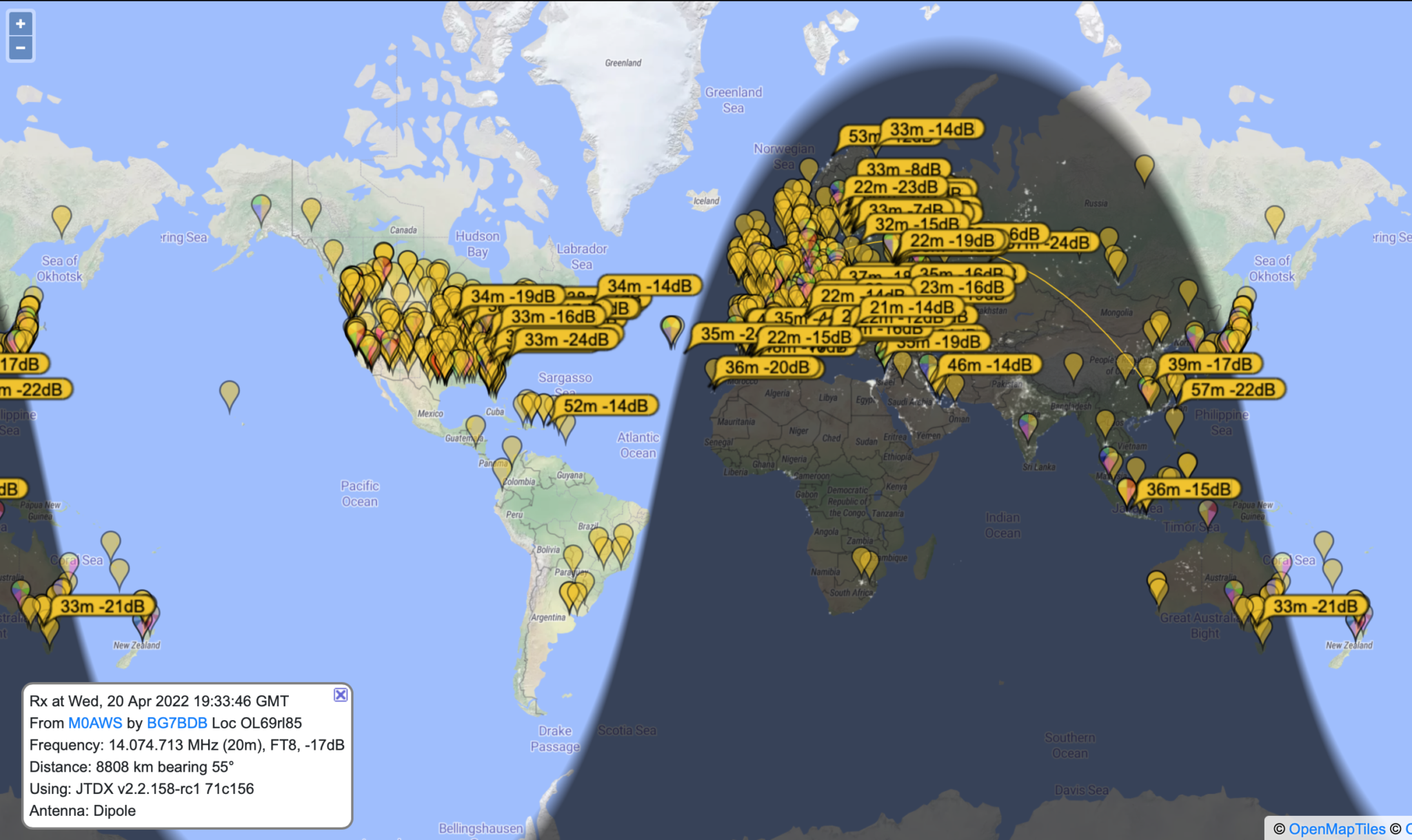
There was a fair amount of DX about on 20m including a few stations from Australia and Japan. I never managed to get a response back from either but, PSKReporter was showing that I was heard!
PSKReporter showing M0AWS being heard by BG7BDB
I also noticed that a station in China was hearing me too. BG7BDB in LinXiang City reported hearing me at -17dB. I quickly hunted around the waterfall and found him and gave a call.
To my amazement he came straight back to me and we exchanged SNR reports, 73 and he was in the log.
WSJT-X FT8 contact with BG7BDB
Looking at my WSJT-X log the distance to BG7BDB is 5467 Miles, at 5w O/P that equates to 0.91mW/Mile!
FT8 really is an impressive mode, it allows QRP stations to work the DX that just wouldn’t be possible on SSB. I have to say I’m really impressed with the Icom IC-705. The receiver and filtering isn’t as good as my Yaesu FTDX10 but, it’s an impressive little package. Portable operations with this radio is going to be a lot of fun!
Since purchasing the Yaesu FTDX10 and getting some wire into the air I’ve been working DX all over the world with ease. So far I’ve not exceeded 25w total output and yet I’ve worked as far as Australia, South America and West Coast USA and Canada. I’m often found to be using far less than 25w, even 5w on the 60m band is a huge amount of fun!
The FTDX10 has an incredible receiver, the best I have ever owned, for the money it really is an amazing bit of kit. The only thing about it that doesn’t work for me is the size when trying to go portable. It’s just a tad too big and requires a huge battery to power it. I love everything else about the FTDX10 apart from this one thing.
So, with the FTDX10 now being the prime shack radio I decided to look into a solution for portable operations. There are many options available today from the cheap Chinese made radios to the old reliable FT817/818 (which I used to own and had a lot of fun with) through to a multitude of newer, more modern full functionality radios. We are truly spoilt for choice these days!
One radio I have read a lot about is the Icom IC-705, it’s an incredibly feature packed little radio with a max output of 10w that covers 160m all the way up to 70cms. With its large super clear colour touch screen and easy swap battery solution it ticks all the boxes.
Icom IC-705 Portable HF/VHF/UHF Transceiver
One thing many people complain about is the fact that the IC-705 doesn’t have a built in ATU. This has never bothered me as I am a firm believer that the ATU should be at the antenna and not in the radio at the end of a long coax run. Running various antenna models on my EzNEC software has shown that keeping the ATU at the antenna is by far the best solution.
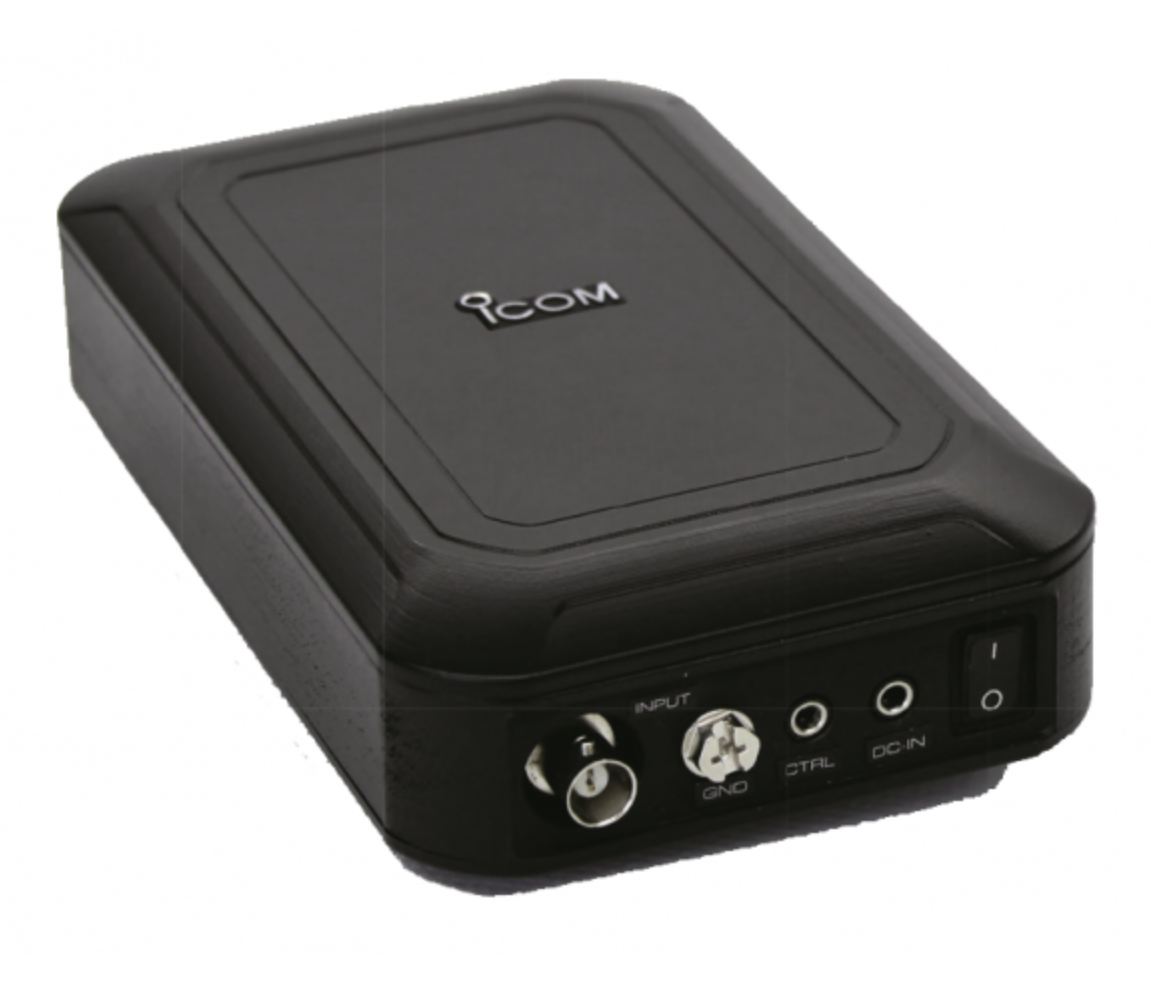
Of course Icom have this covered with their AH-705 remote auto ATU that’s specifically designed to compliment the IC-705. Powered by just two AA batteries and utilising latching relays the unit is both very quick to tune and uses next to no power at all, ideal for those Parks on the Air (POTA) or in my case, Beaches on the Air (BOTA) activations.
Being a quality Icom product the AH-705 isn’t cheap, at £299.99 it’s actually one of the most expensive auto ATUs available for the IC-705.
Icom AH-705 Remote Auto ATU
The other thing I wanted was some kind of stand for the IC-705 that would allow me to angle the radio such that the display and controls are always easily useable. On the ML&S site I found a nifty little tripod that will do the job nicely and so, that had to be included in the bundle.
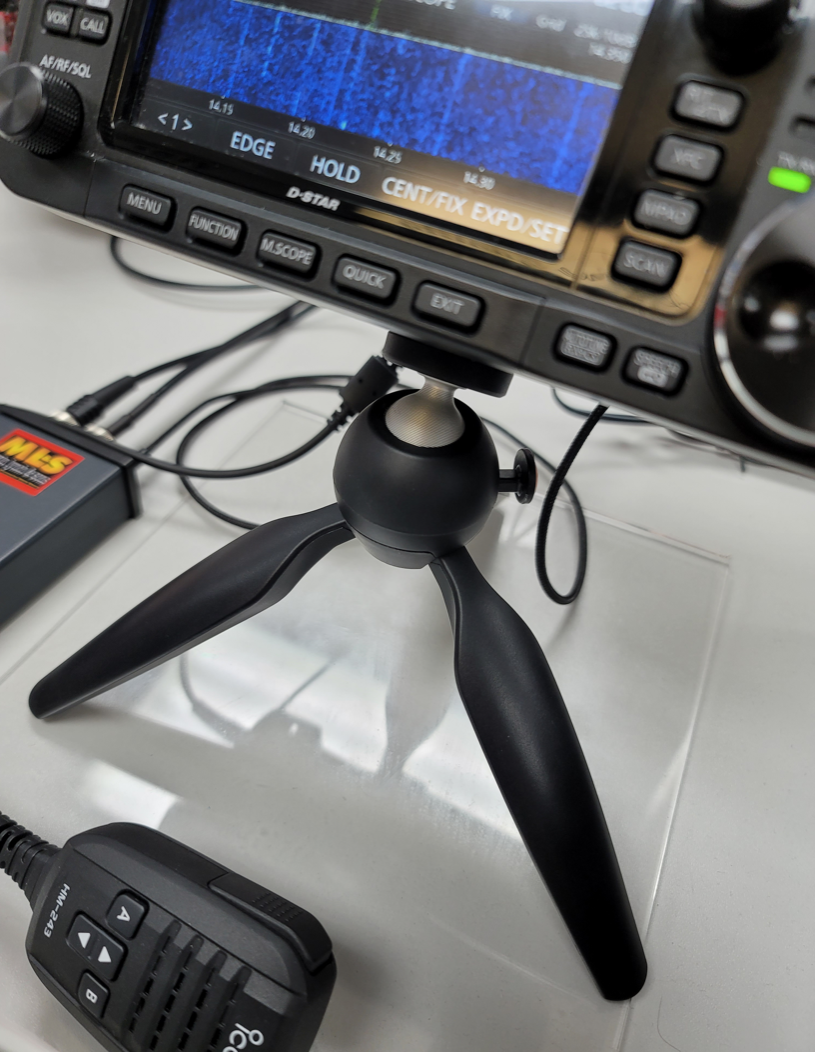
Icom IC-705 Tripod stand
Fortunately for me the AH-705 was on special offer over the Easter Bank Holiday with 40% off making it the same price as the cheaper MAT tuner from china.
So I have now ordered an IC-705, matching AH-705 and the tripod all for the bundle price of £1504.87 including VAT, I even got free shipping thrown in too!
So that leaves just one more thing that I need to complete my radio solution, a morse key!
Having sold my Schurr Profi II Twin Paddle key (Been kicking myself ever since!!) a few years ago when I decided to take a break from radio I’m now in the position of not owning a morse key.
I did order a Vine Antenna RST-TP1 key from ML&S but, that had to go back (There’ll be an article about it coming very soon!) and so, I decided to spend a bit more and get a much better quality key.
Talking to many people online and Tony at ML&S it’s apparent that the Begali Morse keys are some of the best available these days. Looking on the Begali website they certainly have a great selection of high quality keys available, some for much more than I want to spend.
Begali Pearl Twin Paddle Morse Key
So after much consideration I decided to purchase a Begali Pearl Twin Paddle Morse key in Palladium and Gold with red paddles. It’s a super looking key and gets great write ups. It’s also their biggest seller, that says a lot.
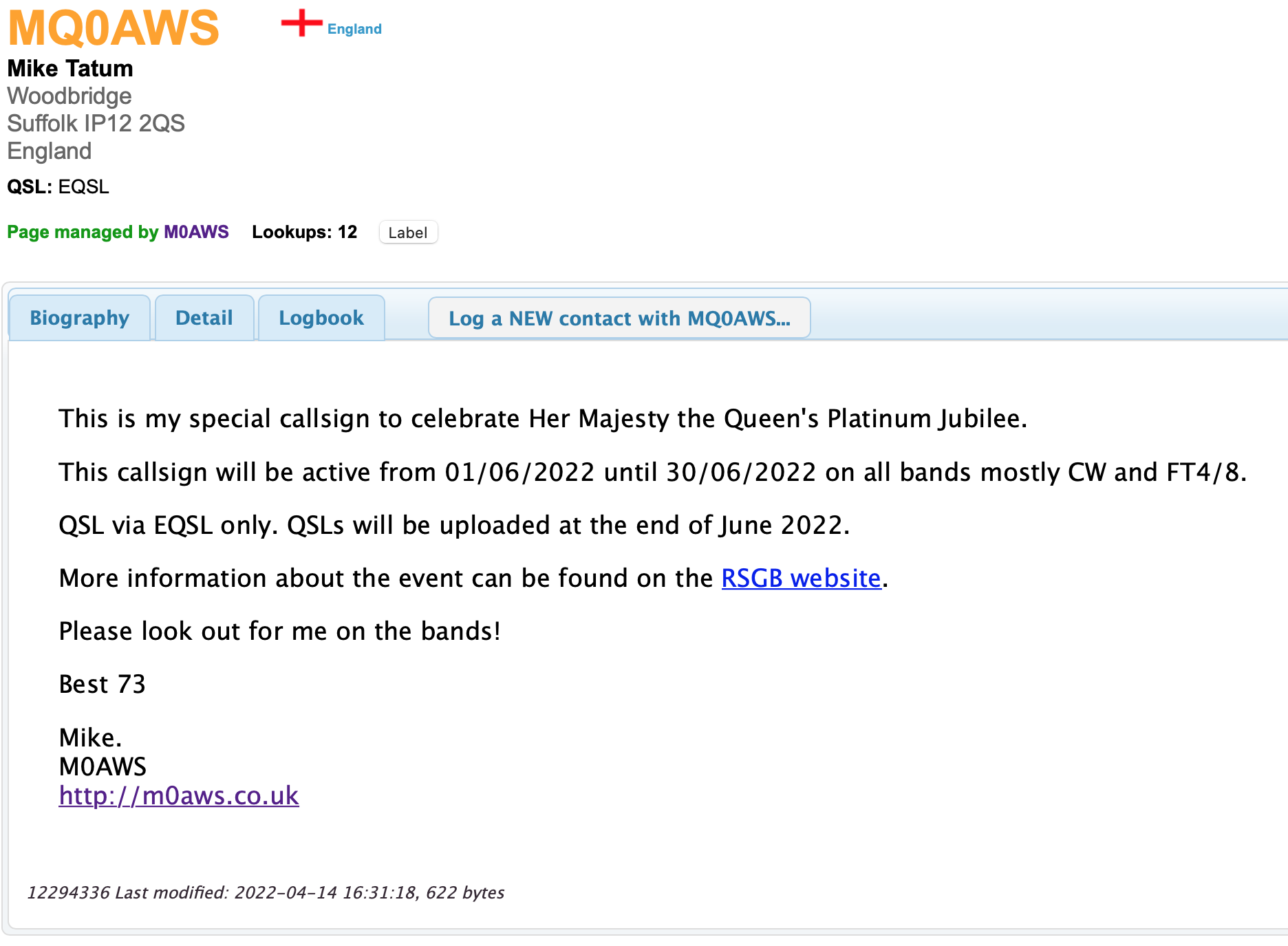
During the month of June 2022 U.K. radio HAMs will be able to use the “Q” regional secondary locator in their callsigns to celebrate Her Majesty the Queen’s Platinum Jubilee.
I now have my notice of variation (NOV) for my HAM Radio licence that will allow me to use the callsign of MQ0AWS throughout the month of June 2022.
I’ll be active on all HF bands using CW and FT4/8 mostly. I may do some SSB on 40/60m depending on how it goes.
I’m hoping many stations world wide will want to contact the GQ/MQ/2Q stations throughout the celebration period and that you’ll all be able to collect the 70 necessary callsigns and contacts to win an RSGB certificate.
I will be logging all contacts on EQSL.CC at the end of June 2022.
More information is available on the RSGB website.
I look forward to using the MQ callsign and hope to have many pileups on the bands!
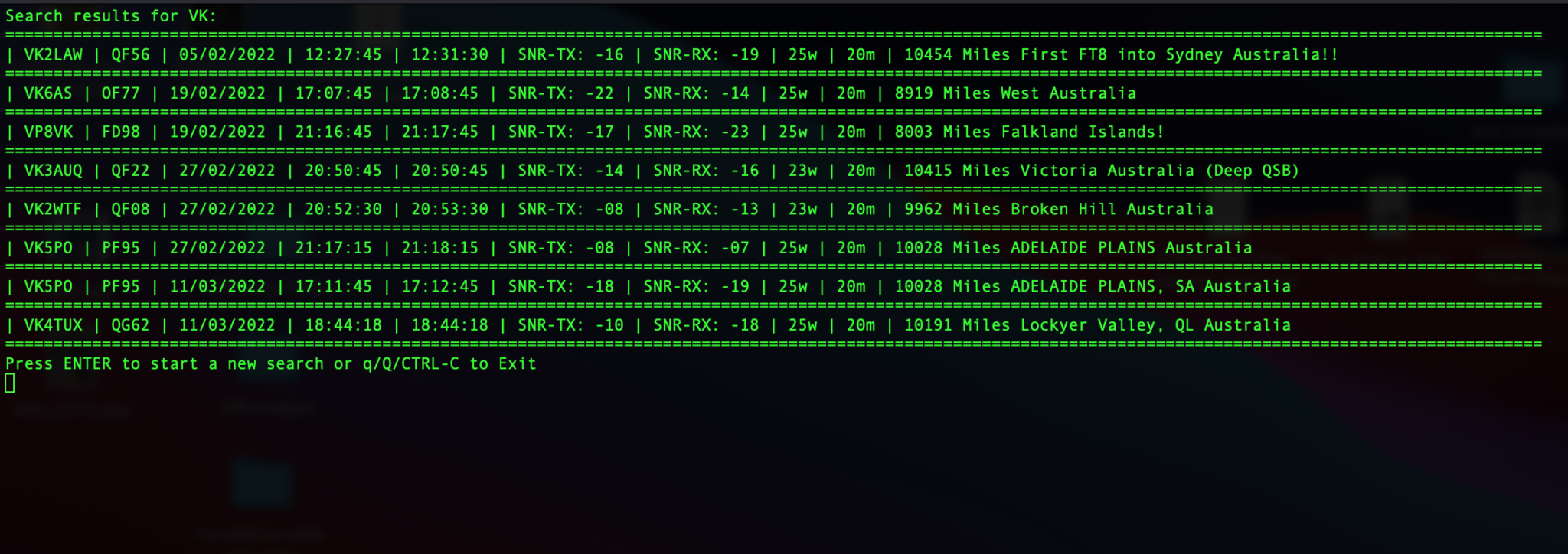
searchwsjtxlog v0.4 showing search for partial callsign
Being a UNIX/Linux command line guy I’m not a fan of a lot of these GUI based logging programs that are full of functionality I’ll never use. I currently have RumLogNG for the MacBook Pro but, I really don’t like it. It does many things I don’t need and not the things I really need when on air.
So I decided to write a bunch of command line based programs that do exactly what I want with minimal fuss. The first of these programs was adi2html, a simple program that converts the WSJT-X ADI log file into HTML so I can easily put it on my website.
I’ve now written a new program using the same BASH shell technique to allow me to search the WSJT-X log file quickly and easily whilst on air.
searchwsjtxlog is a simple little shell script that searches for either a full or partial callsign and presents the results instantly. I use this script a lot when working FT4/8 as I can see if I’ve worked a station before and on what bands easily and quickly.
The script works on Linux and MacOS Big Sur (Not got Monterey to test but, should work fine). If you find a bug please let me know and I’ll fix it as soon as possible.
Note: Since MacOS uses such an old version of the BASH it cannot handle spaces in the path to the wsjtx_log.adi file. On MacOS you’ll need to create a softlink to the file and then put the path to the soft link into the script for it to work properly. CD into the directory where you have saved the searchwsjtxlog.sh file and then run the following command:
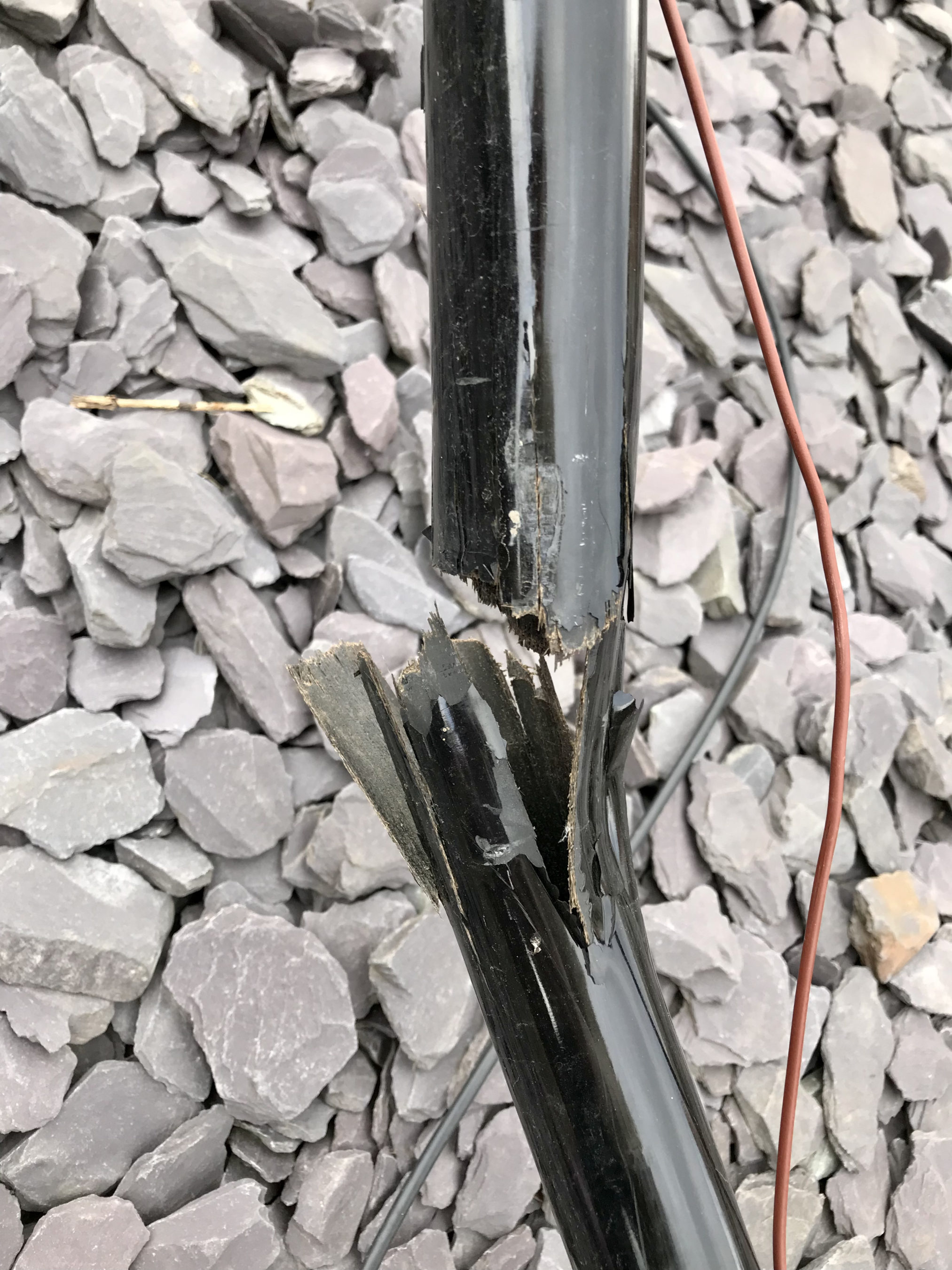
A few days ago we had a bit of a storm come through which brought down one of my extending fibreglass poles. Sadly I wasn’t home to be able to go out into the garden and take it down and hence I now have a badly broken pole.
It’s quite an old pole and has given me sterling service and so I can’t really complain. This has however, brought forward my decision to get something a little sturdier to hold up my wire creations.
Going online I finally ordered what I’ve really wanted for some time, a Spiderbeam Spiderpole 12m HD extending fibreglass pole. These poles really are much stronger than the cheap, thin walled fibreglass poles I’ve been using and so, should handle the wind somewhat better.
This will also allow me to get a longer wire into the air as it’s some 3m longer than the poles I’ve been using to date.
I also decided to order a new morse twin paddle key today too. I’ve been looking for some time but, couldn’t decide which key to purchase.
I finally decided to go with the Vine Twin Paddle RST-TP1 key. It’s quite a heavy lump so shouldn’t wander around the table during use. I’m looking forward to receiving it!
More soon …
We use cookies to ensure that we give you the best experience on our website. If you continue to use this site we will assume that you are happy with it.