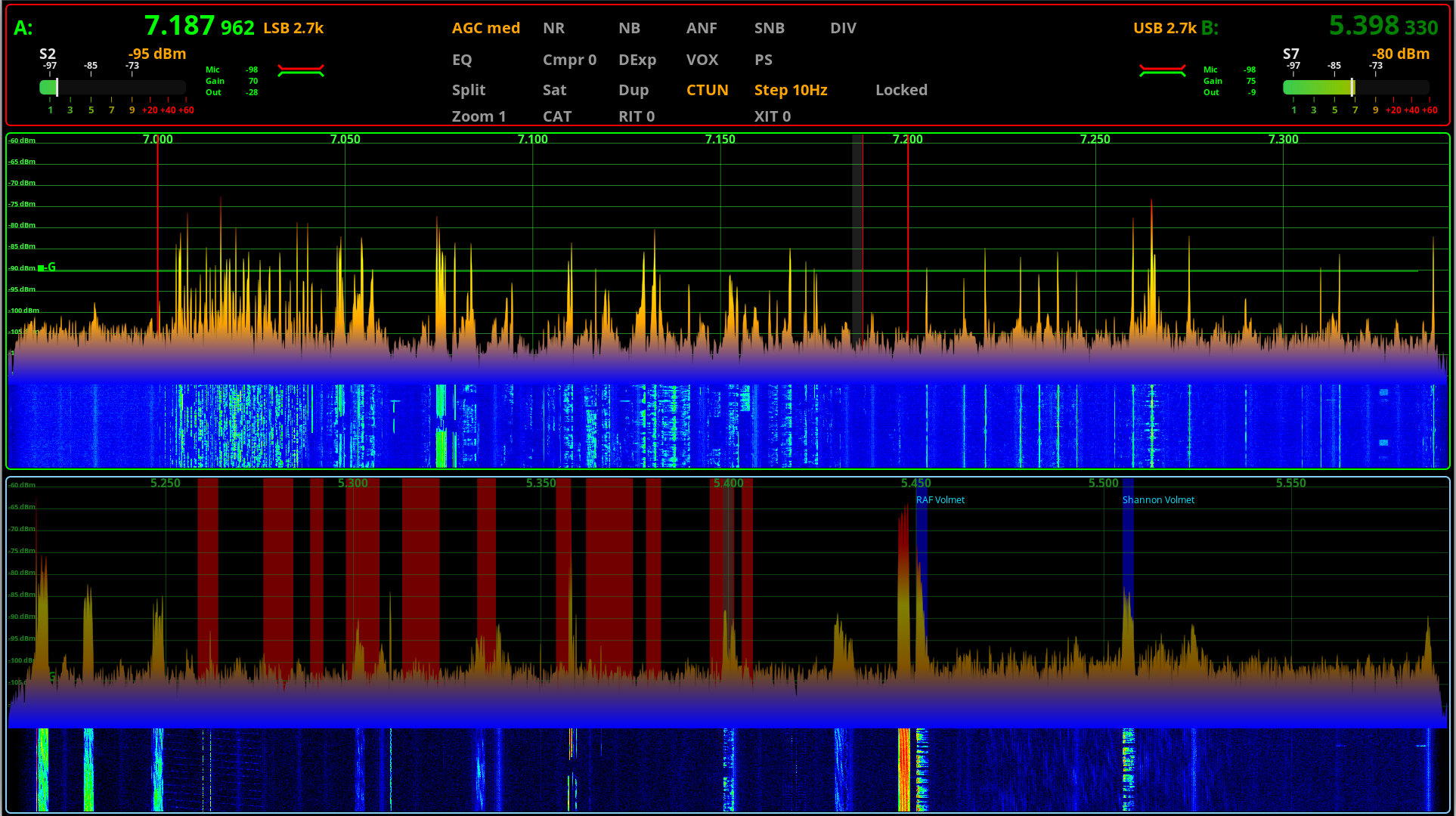
piHPSDR-Improved – Development Update

With our last release of piHPSDR-Improved v2.451 proving to be very popular on the download chart, The Three Amigos have been busy continuing with development.

We’ve actively been on a bug squashing mission and believe we have finally resolved the colour issues with parts of the piHPSDR-Improved window that render both text and background colour the same on some Linux desktops when using a light desktop theme.

We’re determined to squash the long standing bugs that have plagued piHPSDR whilst at the same time adding enhancements that add real value to the SDR package.

Development of the TCI server has progressed well and it now not only streams both RX and TX audio but, also gives direct access to the I/Q stream. This opens up a whole host of new possibilities that we’ve already started taking advantage of.

One enhancement many have asked for is a QO-100 Beacon Lock. This is a facility that is already available in SDR-Console on the Windows platform and one that many people moving from Windows to Linux regularly request.
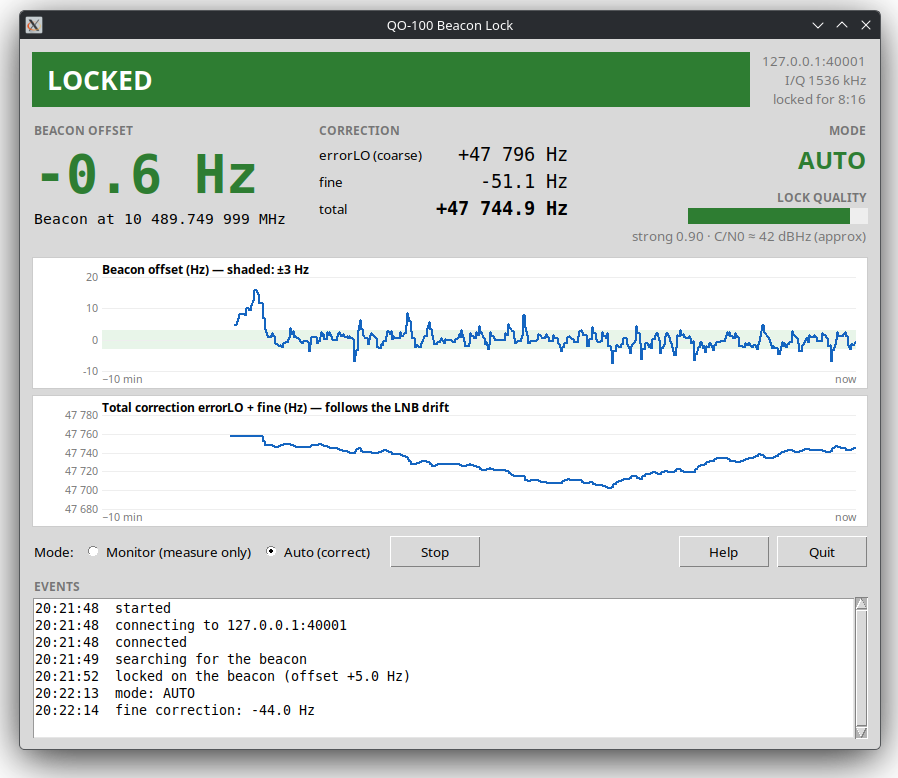
We’ve developed this from scratch as a new piHPSDR-Improved module. It’s currently in early alpha but, is looking very promising.

Having just released piText, a fun little app that sends text messages directly onto the receiving station’s waterfall, we’ve also been developing piMorse in parallel.

piMorse - Decode Morse code real time and send directly from your keyboard.
piMorse – Decode Morse code real time and send directly from your keyboard.

PiMorse is a really nice add on for piHPSDR-Improved that brings Morse Code decode and encode to the Linux desktop in a modern form. Testing is pretty much complete and we’re just putting the finishing touches to the user manual before packaging it up and sending it for release.

As you can see, The Three Amigos have been busy over the last few weeks continuing with their mission to bring new and exciting functionality to piHPSDR-Improved.

The list of enhancements is by no means near exhaustion and I’m sure over the next year or so HPSDR on the Linux platform will be on an equal standing with the Windows platform, if not ahead.

Coming soon - piMorse from The Three Amigos!
Coming soon – piMorse from The Three Amigos!

More soon …

piHPSDR-Improved v2.451 Released – More Features, More Flexibility!

The Three Amigos are pleased to announce piHPSDR-Improved v2.451, bringing another round of enhancements to our evolving Linux SDR application.

Our aim remains simple: to build on the excellent original piHPSDR software and make it even more capable, intuitive and enjoyable to use.

What’s New?

A Better Large-Screen Experience

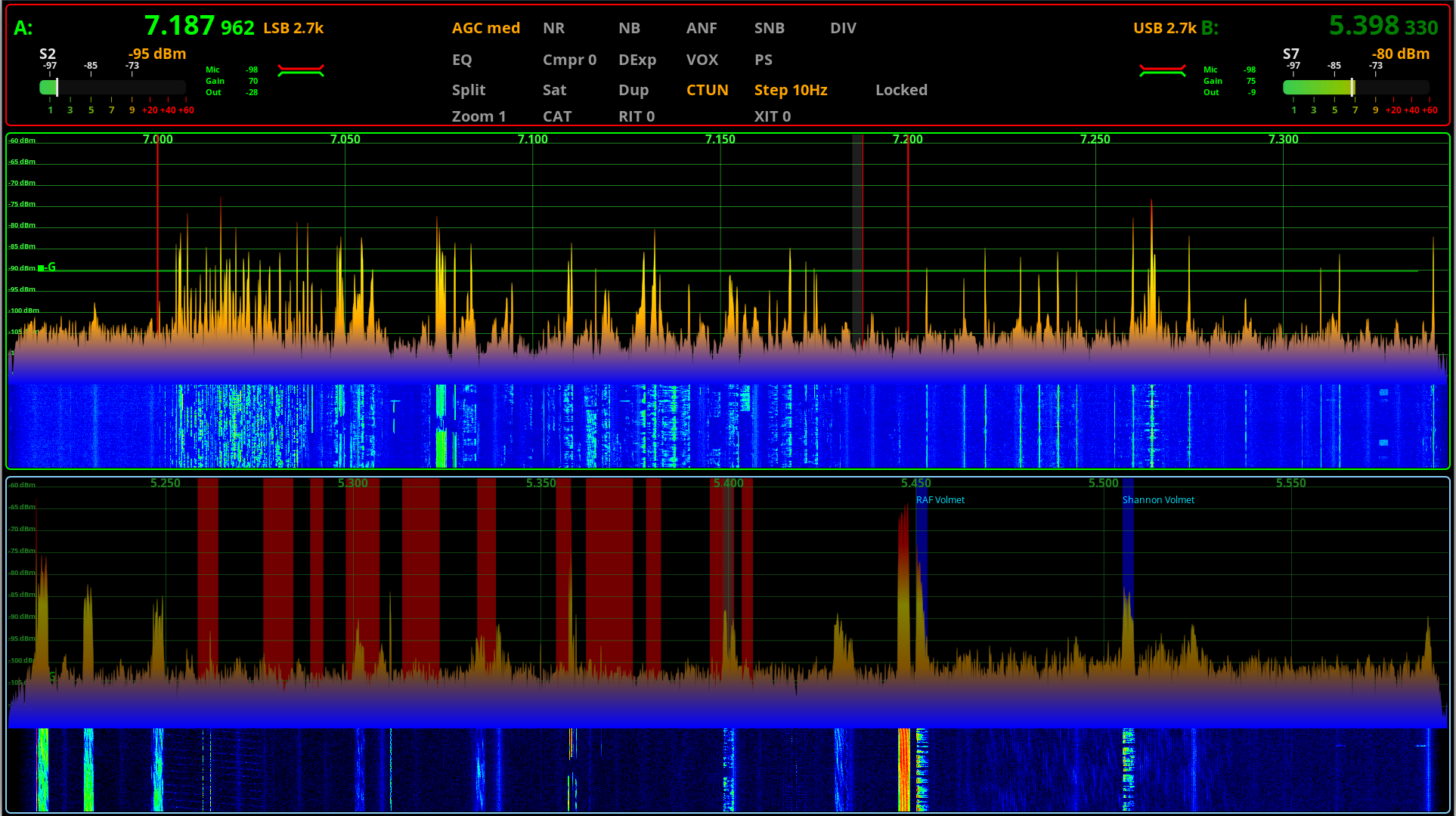
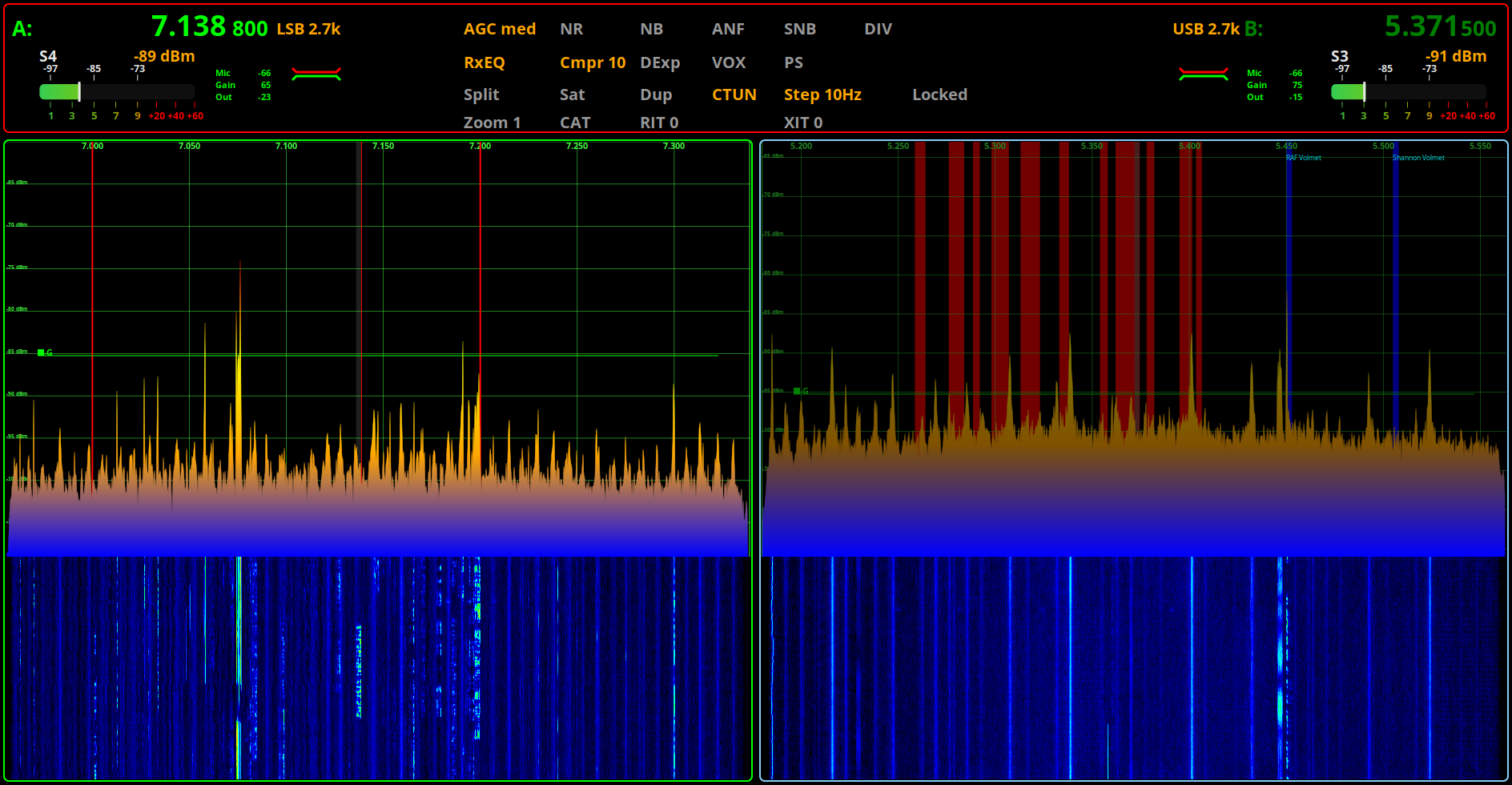
We’ve continued refining the VFO for LARGE Screens layout, with improved dual-VFO presentation, independent RX1 and RX2 S-meters, clearer filter displays and a more flexible floating toolbar. The result is a cleaner, more informative layout that makes better use of available screen space.

Improved Passband Tuning

The Var1/Var2 filter controls have been renamed PBT1/PBT2 and now behave like passband tuning on Icom radios. Adjust filter width and shift to fine-tune the received audio, with consistent operation across modes.

A More Informative Toolbar

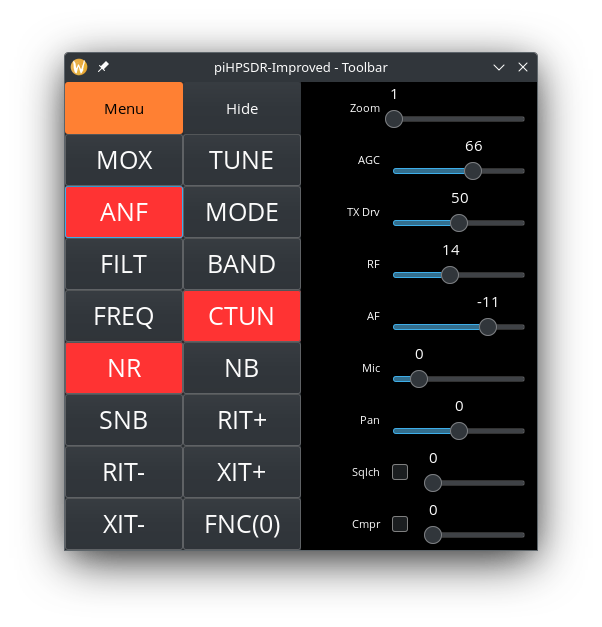
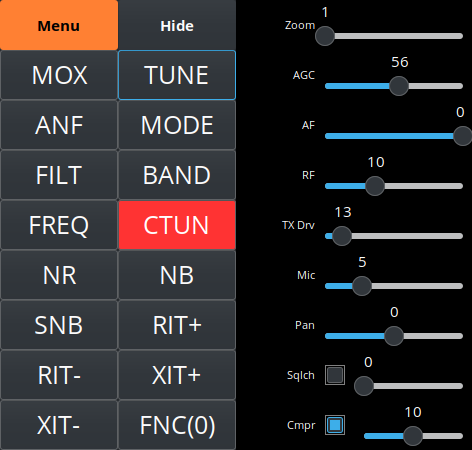
Toolbar buttons now provide clear visual feedback when functions such as Split, Duplex, SAT, noise reduction and transmission are active. The indicators follow changes made through CAT, MIDI, GPIO and keyboard controls too.

piHPSDR-Improved v2.451 - Floating Toobar
piHPSDR-Improved v2.451 – Floating Toobar

Smarter Memories and Waterfall Controls

Memory slots now retain Split and Duplex settings, while RX1 and RX2 waterfall levels are remembered independently for each band. The 60-metre bandplan has also been refined to accommodate receive-only Volmet channels and labels without permitting transmission out of band.

Installation and Usability Improvements

We’ve fixed installation issues involving directory paths containing spaces, improved the floating toolbar and menu positioning, and increased the rigctl TCP/IP CAT server capacity to six simultaneous connections.

As always, we’ve also included smaller fixes and refinements to improve day-to-day operation. (Full details in the CHANGELOG)

Tested in Our Shacks, Ready for Yours!

Development and testing have covered Raspberry Pi OS, Kubuntu (KDE Plasma), LinuxMint and Debian 12/13 across both Intel/AMD systems and Raspberry Pi hardware. We’ve been working hard to make piHPSDR-Improved a practical and accessible choice for Linux-based amateur radio stations.

piHPSDR-Improved v2.451 - New Big Screen Display with dual S Meters
piHPSDR-Improved v2.451 – New Big Screen Display with dual S Meters

Get piHPSDR-Improved

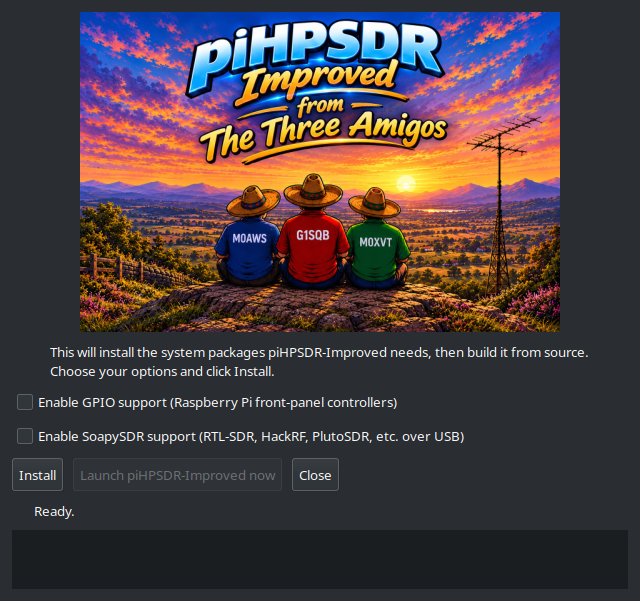
If you’re already using piHPSDR-Improved, this release brings plenty of reasons to update. If you’re discovering it for the first time, our GUI installer makes getting started with Linux SDR software easier.

piHPSDR-Improved GUI Installer

We’re three radio amateurs developing and testing the software because we believe there’s still plenty of potential to unlock in piHPSDR.


More soon …

It’s been a busy week!

It’s been a busy week of software bug fixes and enhancements on piHPSDR-Improved and piSync.

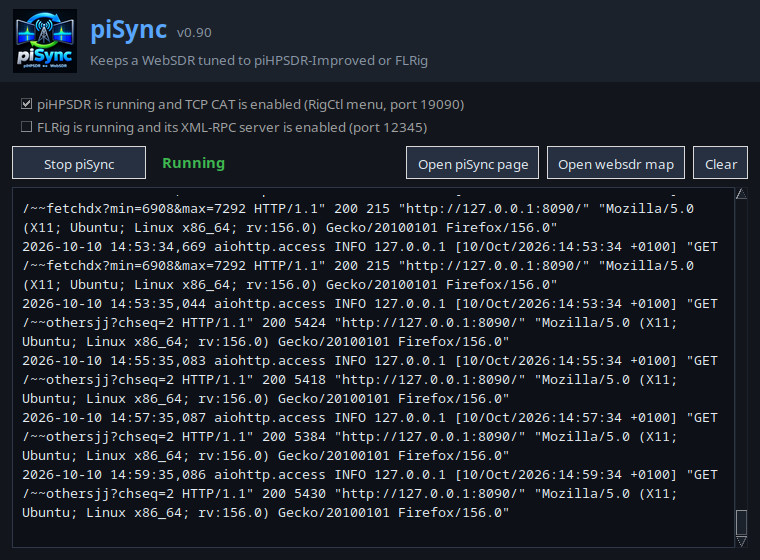
piSync v0.9 is currently in test after we added the support for FLRig. This extends the support for many transceivers new and old along side piHPSDR-Improved and makes it useful to HAMs who aren’t using SDR’s.

pySinc v0.9 with FLRig support in test
piSync v0.9 with FLRig support in test

piHPSDR-Improved has also had a lot of work done to it this week with a splurge of bug fixes and enhancements being made. We decided to bring the release forward as we can then concentrate on writing the new modules to bring even more functionality to the SDR solution.

piHPSDR-Improved v2.45 in Test

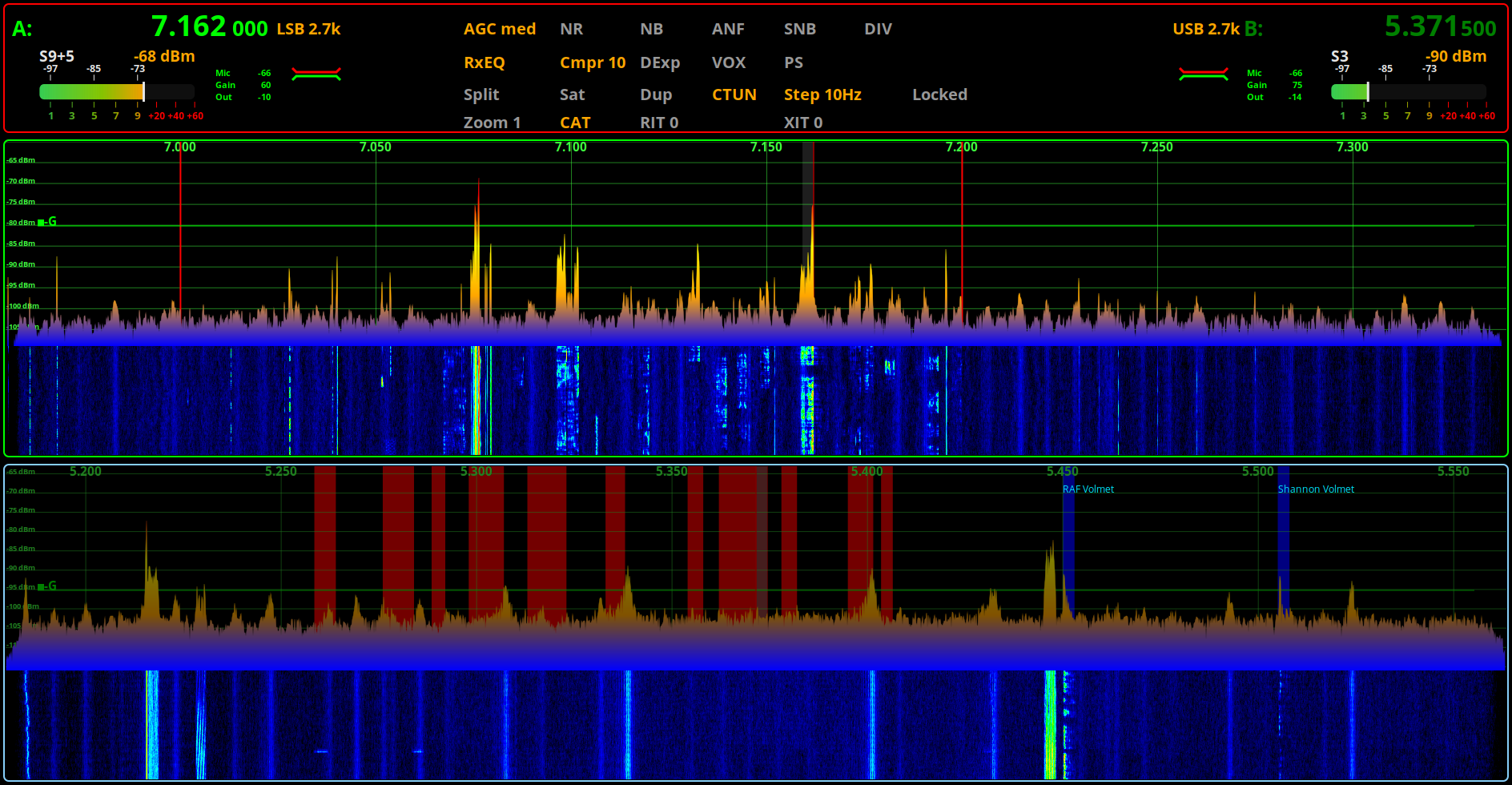
We’ve put some effort into tidying up the user interface in piHPSDR-Improved along with the new, second S Meter for VFOB. This is a really nice enhancement we’ve been wanting to do for some time but, haven’t had the time to devote to it until now.

piHPSDR-Improved v2.45 in test with Horizontally stacked RX

The floating toolbar has also had some upgrades and is not only looking good but, we’ve added new functionality to it as well.

piHPSDR-Improved v2.45 Floating Toolbar in Test

We’re hoping to release both of these updated software packages very soon once we’ve completed all our testing and are happy that’s it ready for release.

More soon …

piSync v0.7 Release

Steve, M0XVT found a little bug in piSync v0.6 last night whilst we were all chatting on the 80m band and so, I jumped on it this morning and got a fix in place.

The bug only raised its head if you manually muted the WebSDR and had “Mute on TX” enabled. With a TX/RX cycle the WebSDR would become unmuted even though the button/checkbox on the WebSDR page still showed “Mute” was enabled.

This bug doesn’t appear on KiwiSDRs, only the PA3FWM type WebSDRs.

piSync Logo
piSync Logo

So, if you’ve already downloaded piSync v0.6 in the piHPSDR-Improved release, grab yourself the v0.7 update below and uninstall v0.6 via the installer and then install the new bug fixed version. (Make sure to delete the .venv directory in the v0.6 directory as well)

Take a look at the CHANGELOG included in the zip file for full details on the bug and how it was fixed.

UPDATE: piSync v1.1 has been released, download it from this article.


More soon …